Unraveling Economic Incentive Loops in Live Service Economies and Their Sway Over Long-Term Player Retention Patterns in Persistent Digital Marketplaces
Katja Keller · Jun 25, 2026
Unraveling Economic Incentive Loops in Live Service Economies and Their Sway Over Long-Term Player Retention Patterns in Persistent Digital Marketplaces
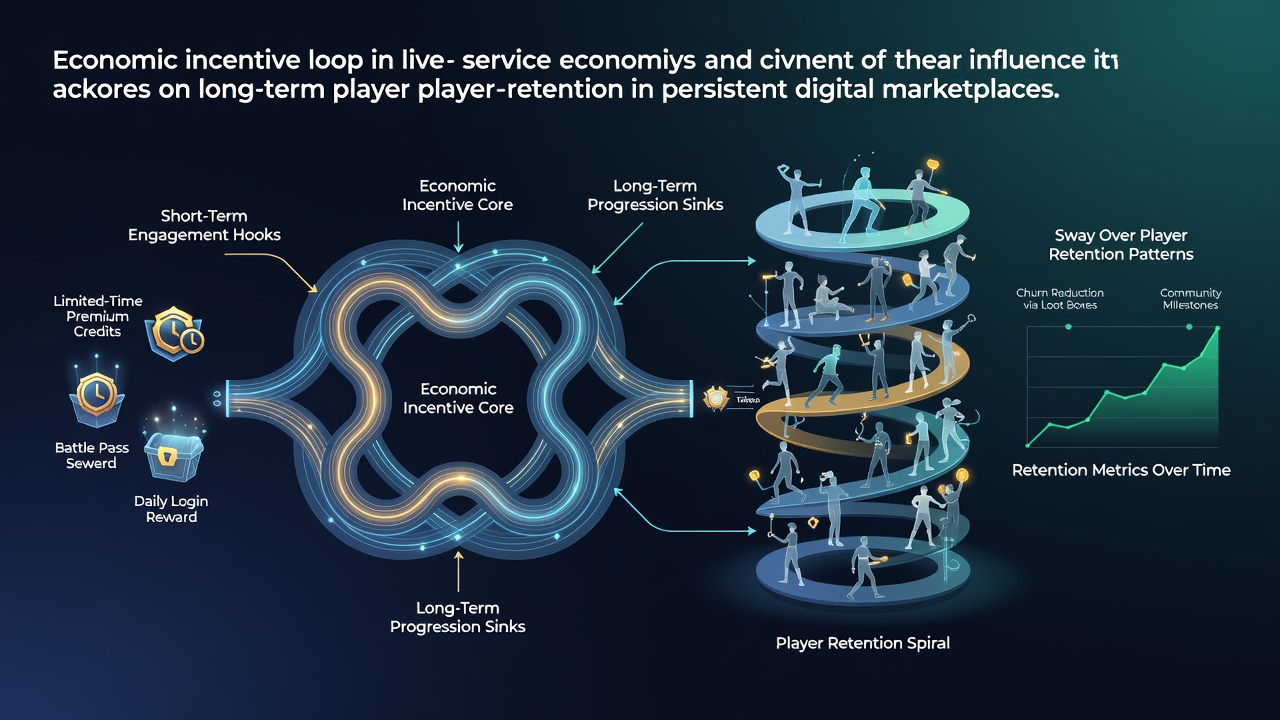
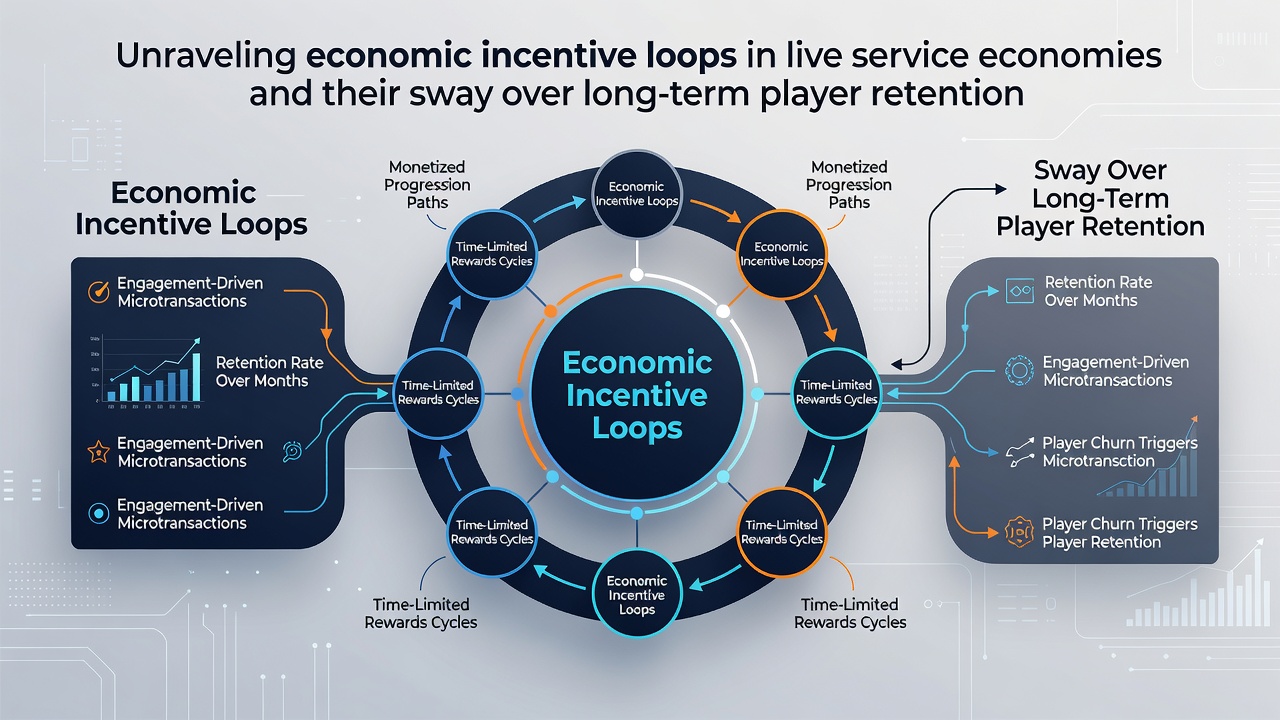
Live service economies operate through structured reward cycles that encourage repeated engagement, and researchers have mapped how these systems shape player behavior across platforms such as consoles, PCs, and mobile devices. Data from industry reports indicate that developers integrate daily login bonuses, seasonal battle passes, and limited-time item rotations to create feedback mechanisms where players receive incremental benefits for consistent participation. These loops tie directly into broader marketplace dynamics because virtual goods often carry real or perceived value that persists across updates and expansions.Core Components of Incentive Structures
Observers note that battle pass systems typically span several weeks and require players to complete tasks for tiered rewards, which in turn unlock cosmetics or functional upgrades that enhance the core experience. According to figures from the Entertainment Software Association, live service titles accounted for a significant share of digital revenue in 2025, with retention metrics showing higher daily active user counts when progression tracks align with player schedules. The design often layers short-term goals onto longer arcs, so someone logging in for a quick reward may stay for extended sessions that involve trading or auction house activity in persistent worlds.
Marketplaces within these games function as closed economies where supply and demand for items fluctuate based on developer-controlled events, and analysts have tracked how scarcity mechanics drive participation. Resource currencies earned through play convert into tradable assets that retain utility over months or years, creating a cycle in which players invest time to maintain competitive or aesthetic advantages. Studies released in June 2026 highlighted that titles with integrated auction systems saw measurable upticks in session length when new item tiers introduced fresh demand.
Retention Metrics and Behavioral Patterns
Player retention data reveals patterns where early-week engagement predicts longer-term activity, particularly when incentive loops reset on predictable schedules. Researchers have documented that games employing weekly challenges alongside monthly events maintain steadier month-over-month active user rates compared with those relying solely on one-time purchases. Retention curves flatten when players perceive ongoing value in accumulated assets, whether through direct gameplay benefits or social status within communities.
Cross-platform marketplaces add another dimension because progress and items often sync across devices, which reduces friction for players who switch between mobile and console sessions. Reports compiled by the Interactive Software Federation of Europe show that synchronized economies correlate with improved retention among users who engage across multiple regions, as time zone differences no longer interrupt reward availability. The result appears in aggregate statistics where average playtime per account rises when economic systems accommodate varied lifestyles without penalizing absences.
Marketplace Dynamics and Long-Term Effects
Persistent digital marketplaces evolve through patches that adjust item values and introduce new scarcity layers, and this constant recalibration keeps economic loops active. Observers have recorded instances where developer interventions, such as limited-time sales or event-exclusive drops, temporarily boost login rates before settling into new equilibrium states. Long-term retention hinges on whether players view these adjustments as fair extensions of existing systems rather than abrupt shifts that devalue prior investments.
Academic analyses from institutions including the University of Melbourne have examined how social trading features amplify retention because players form connections around shared economic goals. When marketplaces allow direct exchanges or collaborative crafting, individuals develop stakes beyond solitary progression, which extends the duration before churn occurs. Data collected through 2026 indicates that titles supporting robust player-driven economies sustain higher lifetime value per account than those limited to developer-controlled stores.
Conclusion
Economic incentive loops in live service environments continue to influence retention through layered reward structures and evolving marketplace rules. Evidence gathered across multiple platforms demonstrates consistent links between predictable progression systems adn sustained player activity, while cross-regional data underscores the importance of accessibility in maintaining those cycles over extended periods. As developers refine these mechanics, retention patterns reflect the balance between immediate gratification and enduring value within digital economies.