Unpacking Ergonomic Trends Among Pro Gamers and Their Ties to Endurance in Extended Esports Events
Yara Simmons · Jul 16, 2026
Unpacking Ergonomic Trends Among Pro Gamers and Their Ties to Endurance in Extended Esports Events
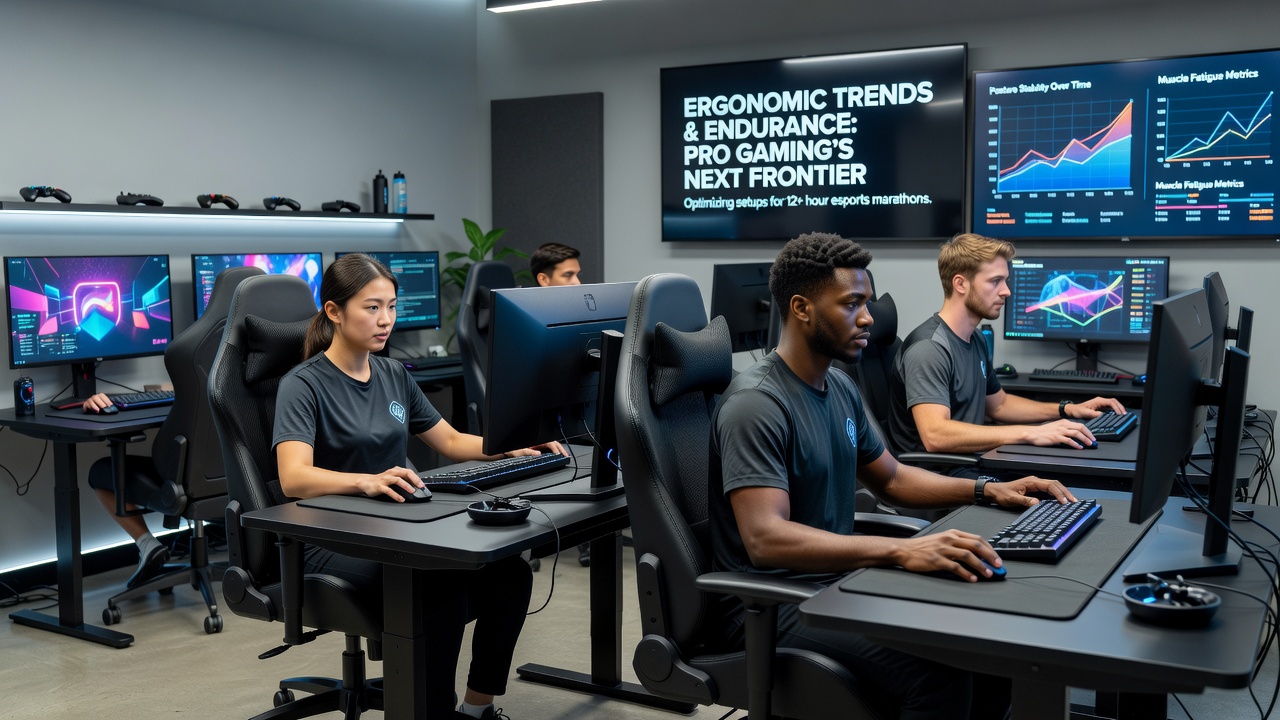
Professional esports competitors have shifted toward equipment and setups that prioritize sustained physical performance over extended match durations, with data from major tournaments in 2025 showing increased adoption of adjustable peripherals and seating systems. These changes align with observations from events where sessions often stretch beyond eight hours, and participants report measurable differences in fatigue levels when using optimized configurations.
Equipment Adaptations in Professional Circuits
Mechanical keyboards with low-force switches and split designs have gained traction among competitors in titles like League of Legends and Counter-Strike, as these options reduce repetitive strain during prolonged input sequences. Mouse options now frequently incorporate contoured shapes and programmable buttons positioned to match natural hand postures, while monitor arms allow precise height and angle adjustments that keep screens at eye level without requiring forward leaning. Studies from the European Agency for Safety and Health at Work indicate that such modifications correlate with lower reports of neck and shoulder discomfort in high-intensity environments.
Workstation Configurations and Their Role
Chairs with dynamic lumbar support and adjustable armrests have become standard in many team facilities, replacing earlier fixed models that limited movement during long events. Desk surfaces often feature cable management systems and modular extensions that maintain clear zones for mouse movement, which helps competitors avoid awkward reaches that accumulate stress over time. Observers note that these setups appear more frequently at international competitions, where organizers provide standardized stations yet allow individual tweaks for personal fit.
Connections to Endurance Metrics
Extended esports events such as the 2026 Mid-Season Invitational in July demonstrated how ergonomic adjustments influence player stamina, with teams incorporating standing desk converters showing steadier performance in later rounds compared to those using static positions. Physiological data collected during these tournaments reveals that participants who alternate between seated and standing postures maintain consistent reaction times longer into matches, while those remaining fixed experience gradual declines in accuracy after six hours. Research from Australian universities has linked these patterns to reduced muscle fatigue and improved circulation, factors that directly affect decision-making under pressure.
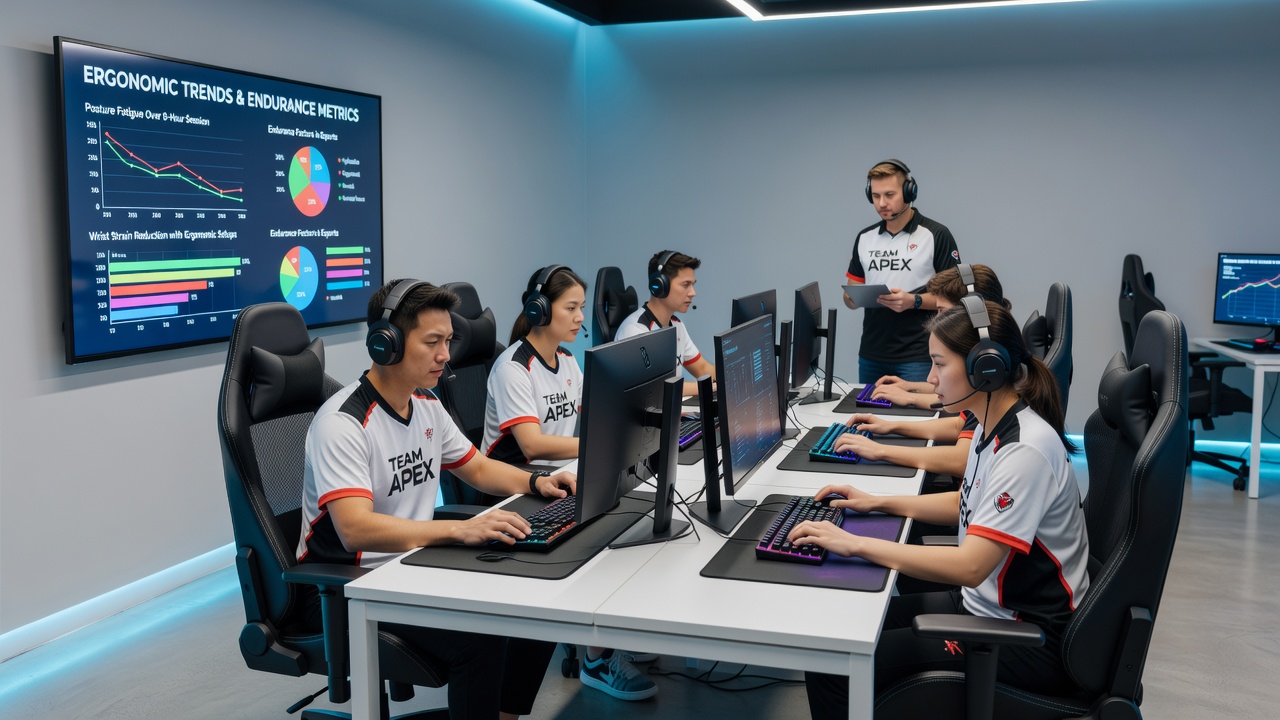
Breaks scheduled at regular intervals further support these gains, allowing competitors to perform stretches that counteract the effects of sustained focus. Teams have integrated physiotherapist consultations into preparation routines, resulting in customized protocols that address individual posture habits before they lead to issues during competition.
Training Protocols and Data Trends
Coaching staff now track posture metrics alongside traditional performance statistics, using wearable sensors to monitor shoulder alignment and wrist angles throughout practice sessions. Figures from the International Esports Federation show a rise in teams allocating budget lines specifically for ergonomic assessments, with adoption rates climbing steadily through 2025 and into mid-2026. This approach extends to amateur circuits as well, where regional qualifiers have begun supplying basic ergonomic kits to reduce early-career injuries that could limit long-term participation.
One study published by Canadian researchers examined competitors across three major titles and found that those using fully adjustable setups completed 12 percent more consecutive hours of play before reporting equivalent fatigue scores. Such findings have prompted equipment sponsors to develop lines tailored for esports rather than general office use, incorporating features like rapid-adjust mechanisms that fit within tight tournament schedules.
Conclusion
Ergonomic trends among professional gamers continue to evolve in direct response to the demands of extended events, with equipment refinements adn setup protocols demonstrating clear ties to maintained performance levels. Data gathered through 2026 highlights how these elements support competitors across multiple game genres and tournament formats, establishing measurable links between physical configuration and endurance capacity.