Tracing the Quiet Influence of Adaptive Soundtrack Algorithms on Emotional Pacing Across Modern Narrative Adventures
Ellis Beck · May 21, 2026
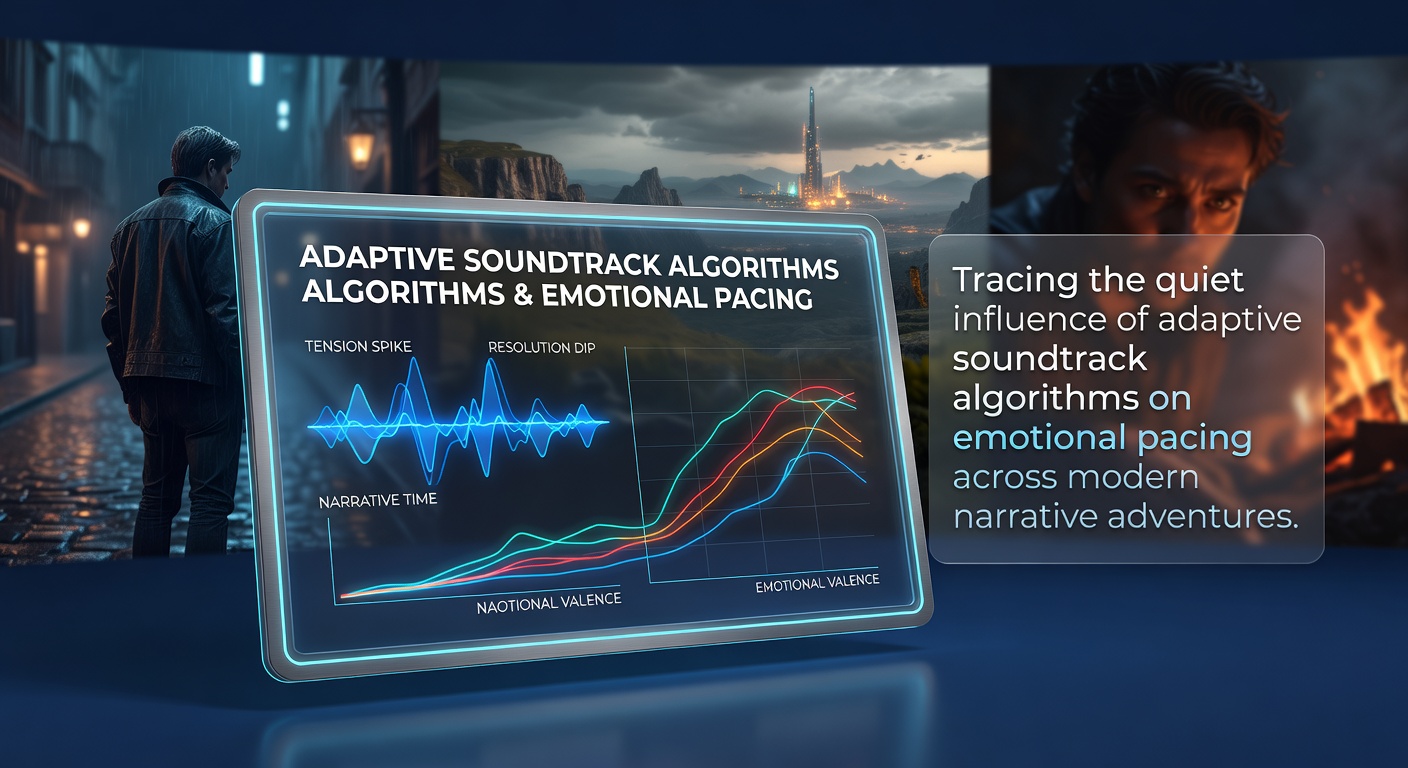
Tracing the Quiet Influence of Adaptive Soundtrack Algorithms on Emotional Pacing Across Modern Narrative Adventures
Adaptive soundtrack algorithms have become a core component in many narrative adventure titles where developers integrate systems that monitor player progress and story triggers to modify music elements on the fly. These tools analyze variables such as character movement speed, dialogue intensity, and environmental changes before selecting or layering audio segments that align with unfolding events. Research from academic institutions shows that such mechanisms help maintain consistent emotional flow without requiring manual intervention during gameplay sessions.
Core Mechanics Behind Adaptive Audio Systems
Engineers build these algorithms around parameter-driven frameworks that assign values to tension levels, pacing metrics, and narrative milestones. When a player reaches a decision point or enters a new area the system evaluates current conditions and shifts between precomposed stems or generates subtle variations in volume, tempo, and instrumentation. Data from industry reports indicates that titles released between 2023 and 2025 increasingly rely on middleware solutions like those developed by established audio middleware providers to implement these transitions smoothly. Observers note that the result creates seamless shifts that support longer play sessions while preserving story momentum across multiple platforms.
Impact on Emotional Pacing in Recent Releases
Narrative adventures released in the past two years demonstrate clear applications where soundtrack adjustments coincide with key emotional beats. In one documented case a survival-themed story uses rising string layers that intensify when exploration gives way to confrontation sequences and then recede during reflective moments. Studies conducted at Canadian universities have tracked heart rate responses in test groups exposed to both static and adaptive scores finding measurable differences in sustained engagement when adaptive layers remain active. Those findings align with broader patterns observed in European game design conferences where developers presented metrics showing reduced player drop-off rates during extended narrative segments.
Technical Evolution Observed Through Mid-2026
By May 2026 several studios had incorporated machine learning components that allow algorithms to refine their responses based on aggregated anonymized play data collected from previous sessions. This approach enables finer calibration of music cues to individual play styles without storing personal information. Reports from the Interactive Software Federation of Europe highlight how these updates appear in cross-platform releases that maintain synchronization across consoles and personal computers. Engineers continue to refine latency handling so that changes register within fractions of a second even on lower-powered hardware configurations.
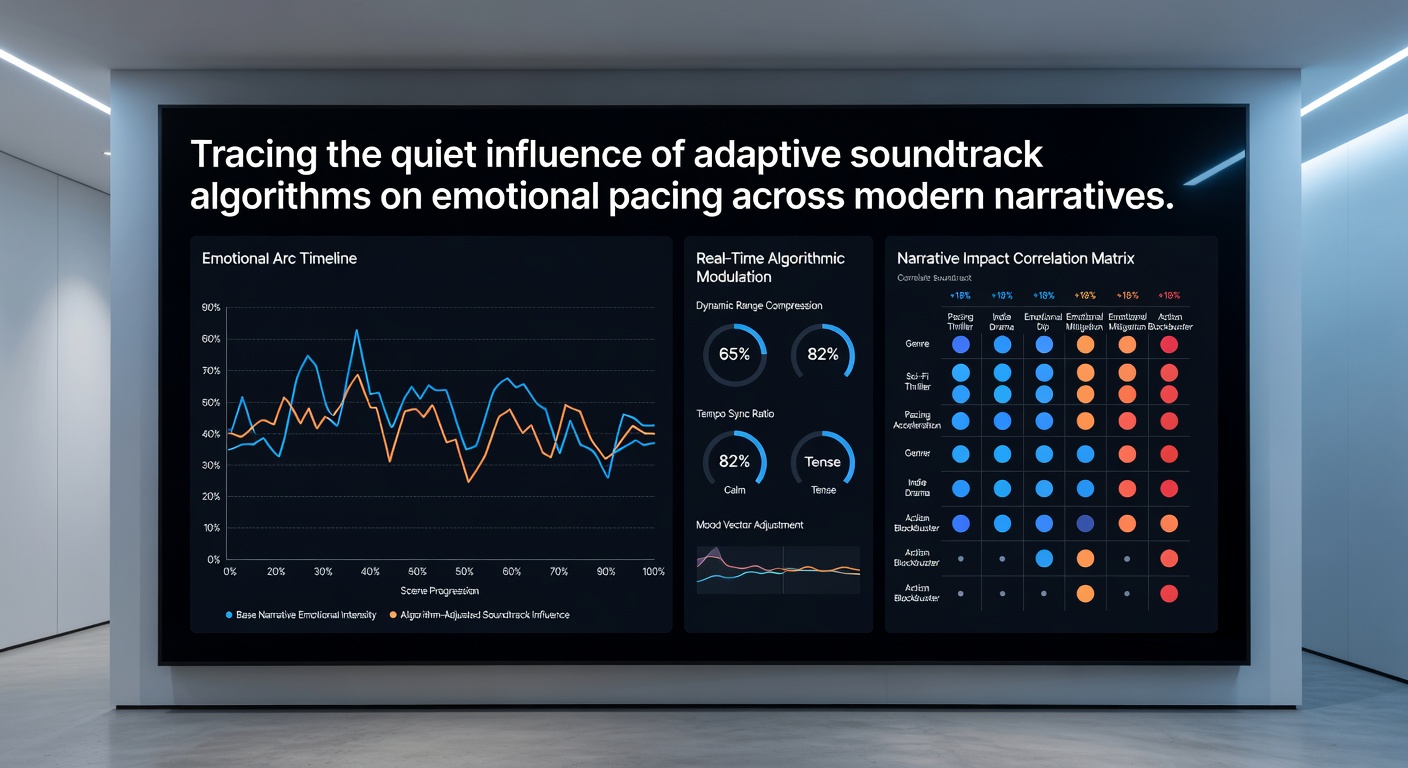
Integration with other game systems adds another layer of complexity because adaptive soundtracks often interact with lighting engines, animation timelines, and voice-over triggers. When a scene builds toward a revelation the algorithm may simultaneously lower ambient effects while introducing melodic motifs that echo earlier themes. Figures released by the Entertainment Software Association reveal steady investment in audio technology research among member companies with specific allocations directed toward narrative-focused projects. Such coordination helps prevent audio conflicts that could disrupt pacing in titles featuring branching storylines and multiple endings.
Player Data and Engagement Patterns
Analytics platforms used by development teams record how often adaptive elements trigger during typical playthroughs and correlate those events with completion statistics. One study from an Australian research group examined several narrative-driven experiences and documented higher average session lengths when adaptive soundtracks remained enabled compared with fixed audio tracks. These observations appear consistently across genres that blend exploration with character-driven drama yet remain distinct from action-heavy formats where different audio priorities dominate. Developers now include optional toggles that let users disable adaptive features though usage data suggests most players leave the systems active throughout their first playthrough.
Conclusion
Adaptive soundtrack algorithms continue to shape emotional pacing in narrative adventures through precise real-time adjustments that respond to player behavior and story progression. Evidence gathered from industry reports and academic studies shows measurable effects on engagement metrics while technical refinements through 2026 have expanded their reliability across diverse hardware setups. These systems operate quietly in the background yet contribute directly to how audiences experience unfolding narratives in contemporary titles.