Tracing Adaptations of Classic Board Game Rulesets into Video Game Environments and Shifts in Community Engagement Patterns
Ellis Koch · May 28, 2026

Tracing Adaptations of Classic Board Game Rulesets into Video Game Environments and Shifts in Community Engagement Patterns
Classic board games have moved from physical tables into video game environments through direct translations of core rules alongside targeted adjustments that account for digital interfaces, and these transitions have coincided with measurable changes in how communities form and interact around the games. Chess provides one longstanding example where digital platforms replicate the standard 8x8 grid and movement patterns yet layer on features such as matchmaking systems and time controls that alter pacing compared with over-the-board play, while data from platform usage logs shows increased participation in rapid formats that rarely appear in physical tournaments.
Monopoly adaptations follow similar patterns, retaining property acquisition and rent collection mechanics but introducing automated banking and randomized card draws that reduce setup time and human error, and industry tracking reports indicate these versions attract larger simultaneous player counts during evening hours across multiple regions. Settlers of Catan digital releases preserve the hexagonal tile layout and resource trading system yet integrate AI opponents that scale difficulty automatically, which allows solo sessions that have no direct physical equivalent, and usage statistics collected through app stores demonstrate steady growth in asynchronous multiplayer modes that let participants return to games over several days rather than completing them in one sitting.
Rule Adjustments for Digital Contexts
Developers frequently modify turn timers and scoring calculations when porting board game rules to video formats because computational precision enables enforcement that human players cannot match consistently, and studies from research institutions document how these changes affect strategy depth. Risk adaptations on consoles automate troop movement calculations and territory resolution, which shortens downtime between decisions yet preserves the core conquest objective, while community forums record discussions about optimal digital army placement that differ from printed manual strategies. Pandemic video versions implement simultaneous infection draws through algorithms that mirror the physical deck shuffle yet add cooperative chat overlays, and server data from 2025 events reveal higher completion rates in online groups compared with in-person sessions limited by scheduling.
Additional examples include Ticket to Ride ports that calculate route scoring instantly and highlight valid paths on screen, eliminating manual verification steps present in the cardboard edition, and observers note that these efficiencies contribute to shorter average session lengths across logged play sessions. Backgammon digital clients enforce doubling cube rules without dispute and pair players by rating brackets derived from thousands of prior matches, producing engagement metrics that show repeat login patterns tied to ranked ladders rather than casual home matches.
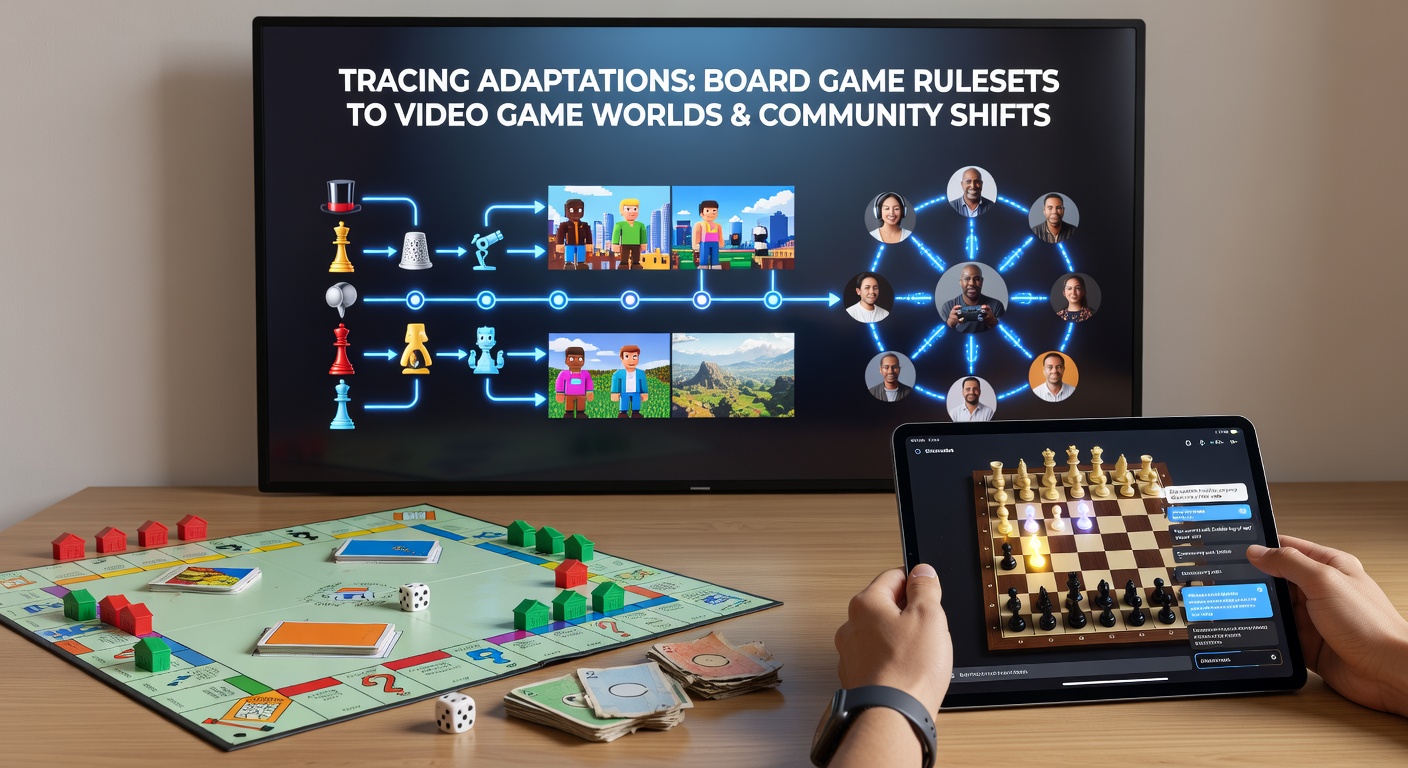
Community Engagement Pattern Changes
Physical board game groups typically meet at fixed locations on scheduled dates, whereas digital adaptations enable global matchmaking that operates continuously, and participation figures compiled by trade associations indicate expanded geographic reach for players who previously lacked local opponents. Chess communities have shifted toward online servers that host millions of daily games, with rating systems that update after each match and allow cross-timezone competition, while in-person club attendance records from multiple cities show stable but smaller numbers focused on over-the-board events. Catan online lobbies support voice or text chat during trades, which recreates social negotiation yet permits anonymous play that reduces barriers for new participants, and longitudinal data collected through platform analytics reveals higher retention when tutorial sequences guide rule explanations automatically.
Discord servers and subreddit threads dedicated to specific adaptations now serve as primary discussion hubs where users share replays and rule clarifications, replacing earlier reliance on printed strategy books or local meetups, and figures released by the Entertainment Software Association in early 2026 highlight increased cross-platform play that connects console, PC, and mobile users within single sessions. Risk digital tournaments organized through official clients attract entrants from multiple continents simultaneously, contrasting with regional board game conventions that draw smaller physical crowds, and match logs demonstrate that elimination brackets run more frequently because automated pairing removes logistical delays.
Developments Observed in 2026
By May 2026 several platforms introduced rule variant toggles that let communities select between classic and experimental sets within the same digital environment, and early adoption metrics from those updates show elevated session counts among returning players who test new configurations. Academic analyses from European research centers continue to examine how these toggles influence long-term strategy learning compared with fixed physical editions, while North American industry summaries report parallel growth in spectator modes that stream adapted matches to wider audiences without requiring personal accounts.
Cross-device synchronization features now allow users to begin a game on one hardware type and resume on another, preserving board state through cloud storage that mirrors physical game boxes left mid-session, and engagement reports compiled across regions document corresponding rises in total play hours without proportional increases in new account creation. These patterns indicate sustained interest in adapted rulesets even as physical board game sales maintain separate steady demand through specialty retailers.
Conclusion
Adaptations of classic board game rulesets into video game environments have incorporated automation and connectivity features that extend participation beyond physical constraints, while community engagement has expanded through persistent online systems and variant options that support varied play styles. Data collected through 2026 continues to track these parallel developments across multiple titles and regions, providing quantitative records of how digital implementations maintain core mechanics while altering interaction frequency and geographic scope.