Probing Synchronization Between Environmental Audio Cues and Visual Particle Systems in Atmospheric Titles and Resulting Player Orientation Behaviors
Ellis Koch · Jun 4, 2026
Probing Synchronization Between Environmental Audio Cues and Visual Particle Systems in Atmospheric Titles and Resulting Player Orientation Behaviors
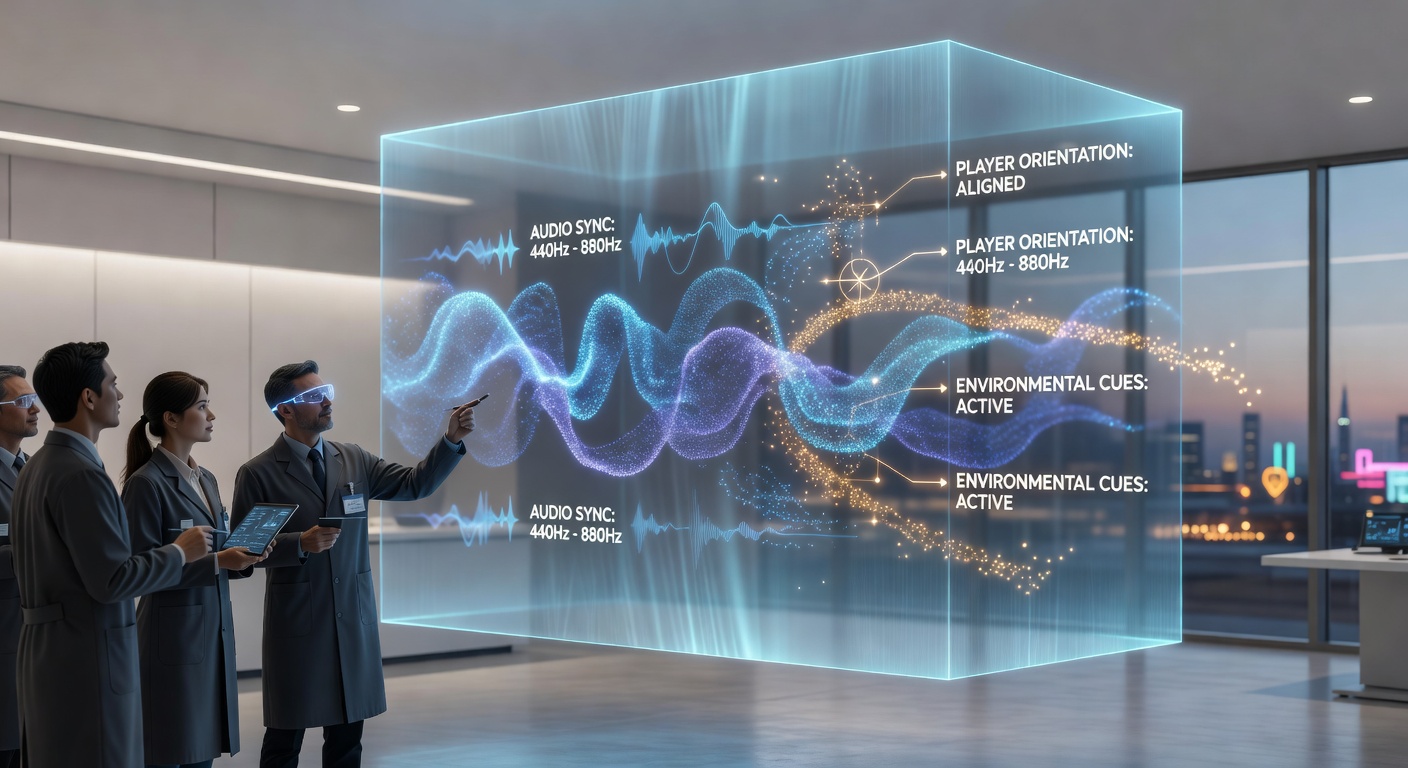
Atmospheric titles rely on tight coordination between environmental audio cues and visual particle systems to shape how players move through virtual spaces, and developers continue refining these elements as core navigation tools rather than mere decoration. Sound layers such as distant wind gusts or flowing water blend with particle streams like drifting pollen or rising mist, creating directional signals that guide exploration without explicit markers.
Core Synchronization Techniques
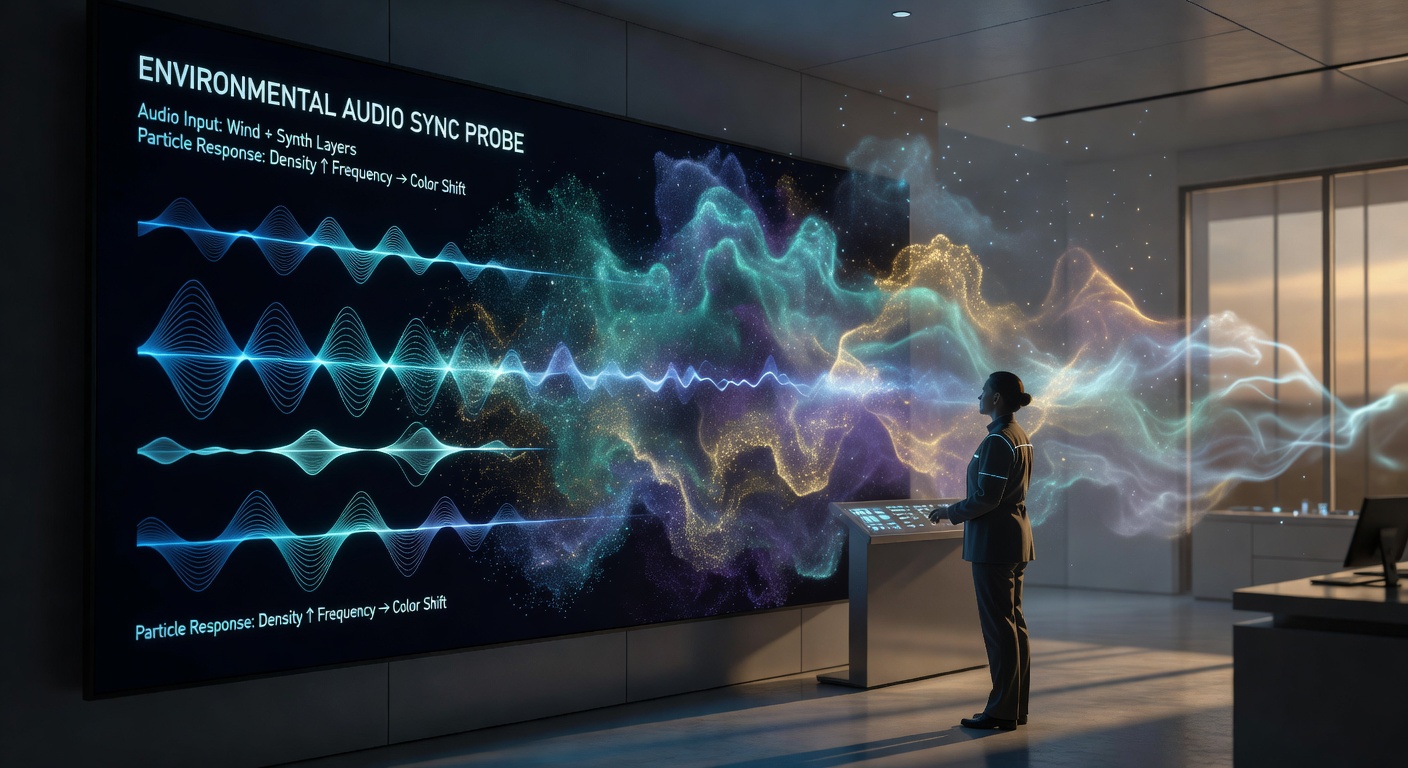
Engine teams map audio frequency ranges directly to particle emission rates so that a low rumble coincides with heavier leaf clusters while higher tones trigger lighter dust motes, and this mapping lets players detect elevation changes or hidden paths through combined sensory input. In titles released through 2025, middleware solutions allowed real-time adjustment of particle velocity based on reverb decay times, which produced consistent orientation feedback across varied acoustic environments.
Researchers at several universities have measured how these paired signals reduce disorientation incidents during blind testing, with data indicating faster route completion when both audio pitch and particle density shift in tandem rather than independently. Observers note that players often pivot toward the denser particle flow once the matching audio swell registers, demonstrating an instinctive alignment response built through repeated exposure.
Observed Player Behaviors
Tracking studies reveal that participants adjust heading angles within two seconds of detecting a synchronized cue pair, and this rapid correction occurs more reliably than when either audio or particles appear alone. In open-zone sections, groups show repeated circling patterns around particle streams that intensify alongside rising ambient tones, suggesting the combination functions as a dynamic compass.
One documented pattern involves players slowing movement speed when particle density drops while audio volume holds steady, a behavior interpreted as cautious probing for the next matching cue. Data from European lab sessions further shows reduced backtracking rates in environments where particle color temperature changes align with audio filtering, allowing quicker recognition of biome transitions.
Technical Implementation Across Titles
Studios integrate these systems through layered scripting that ties emitter modules to audio buses, and updates in early 2026 extended support for spatial audio formats that preserve cue directionality even when players rotate the camera freely. Australian development reports highlight successful use of GPU-accelerated particle simulations that maintain frame consistency while responding to live audio spectrum analysis.
Case examples include survival explorations where river particle flows intensify with current sounds, prompting players to follow upstream without on-screen prompts, and forest sequences where falling ash density matches crackling audio layers to mark safe descent routes. These implementations draw from academic work on multisensory integration, where findings indicate combined cues strengthen spatial memory retention over isolated signals.
Developments Entering June 2026
Industry gatherings scheduled for June 2026 plan to showcase middleware expansions that let designers automate synchronization curves based on terrain slope data, reducing manual tuning time while preserving directional clarity. Preliminary figures from beta tests suggest these tools improve orientation accuracy metrics by measurable margins across varied hardware configurations.
Trade organizations tracking accessibility features report growing adoption of adjustable cue intensity sliders, which maintain synchronization integrity while accommodating different sensory preferences. Such refinements continue to appear in patches for established atmospheric releases, extending their relevance into new player cohorts.
Conclusion
Continued refinement of audio-particle pairings in atmospheric titles demonstrates measurable influence on player orientation, with ongoing technical and research efforts focused on expanding reliability across platforms and user groups. The patterns observed through controlled studies and live telemetry provide clear direction for future design iterations that prioritize these synchronized environmental layers as primary navigation aids.