Pixel Art Preservation Efforts Reshaping Collector Markets for Retro Platformer Ports on Modern Consoles
Klara Wolf · Aug 18, 2026
Pixel Art Preservation Efforts Reshaping Collector Markets for Retro Platformer Ports on Modern Consoles
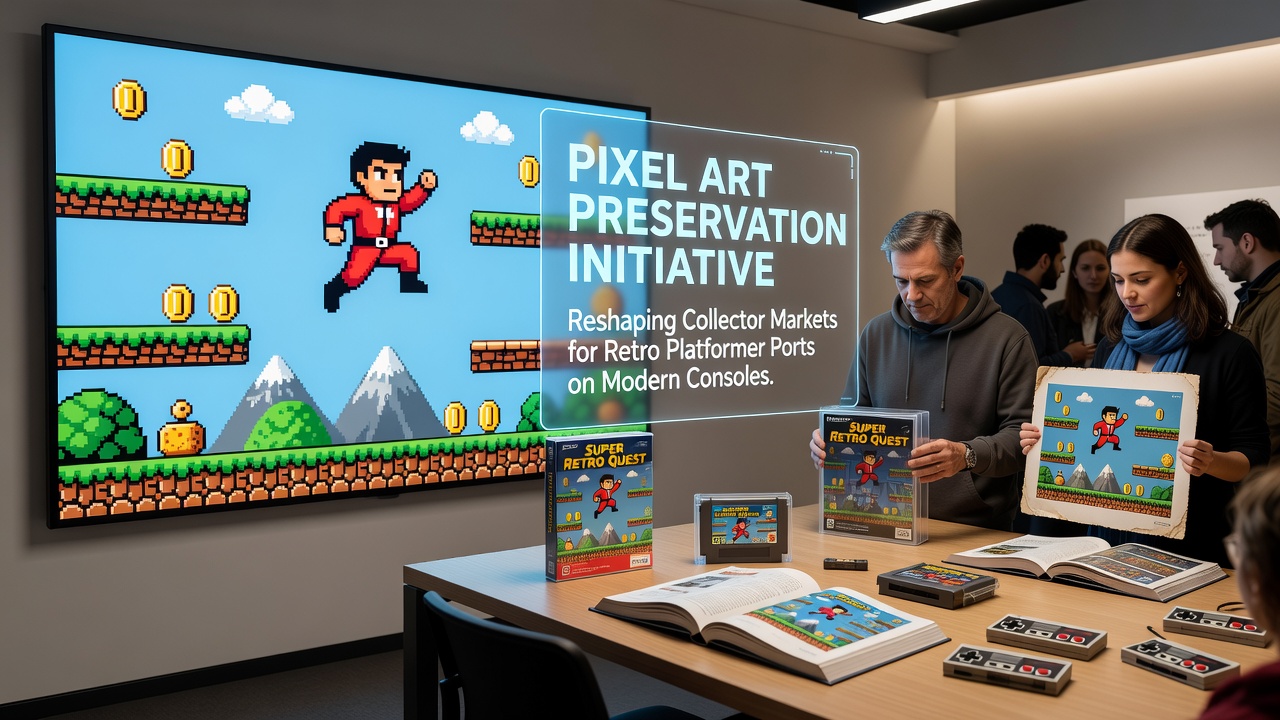
Pixel art preservation has become a central focus for studios and archives working on ports of classic platformers to current hardware, and data from industry reports shows measurable shifts in how collectors approach these releases. Studios such as those behind enhanced versions of titles originally released on 8-bit and 16-bit systems now apply techniques that retain original sprite dimensions, color palettes, and animation frames while adding compatibility layers for high-definition displays. Researchers at institutions tracking digital heritage note that these methods prevent the visual degradation often seen in earlier emulation attempts, and August 2026 figures from multiple storefronts indicate rising demand for physical editions that bundle preserved assets with printed manuals and cartridge-style cases.
Core Techniques Driving Preservation
Developers rely on a combination of pixel-perfect scaling algorithms and asset verification protocols when preparing ports for consoles including the Nintendo Switch and PlayStation 5, and these processes ensure sprites remain crisp at native resolutions before optional filters activate. Preservation groups have documented cases where original ROM data undergoes checksum validation against multiple archival copies, which reduces errors during the transfer to modern cartridges or discs. Observers note that such verification steps align with guidelines issued by organizations focused on software history, and one case study from a North American archive revealed that verified pixel data led to higher accuracy scores in side-by-side comparisons with 1990s hardware output.
Market Data and Collector Behavior
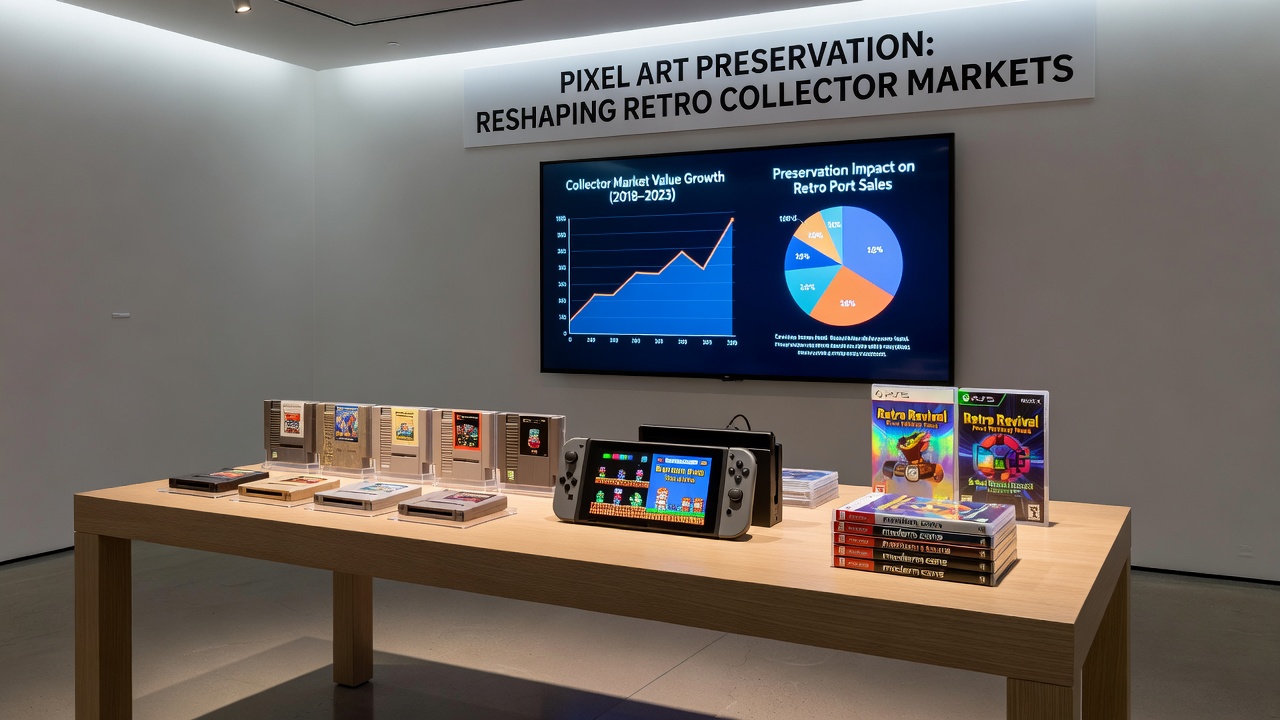
Sales records compiled by trade associations reveal that limited-run physical ports featuring preserved pixel art command premiums ranging from 30 to 150 percent above standard digital versions, and secondary-market tracking services report consistent price growth for sealed editions released between 2023 and 2026. Collectors have shifted preferences toward editions that include original art books and developer interviews, while data shows reduced interest in ports that apply heavy post-processing filters that alter sprite integrity. According to statistics released by the Entertainment Software Association of Canada, physical retro platformer sales in the first half of 2026 grew 22 percent year-over-year, with preservation certifications listed as a key purchase factor in buyer surveys.
Regional Archive Contributions
European and Australian institutions have supplied reference materials for several high-profile ports, and these contributions include high-resolution scans of original development hardware along with palette documentation that helps maintain color fidelity across different display technologies. One collaborative project involving the National Film and Sound Archive of Australia provided source material for a platformer re-release that preserved dithering patterns unique to CRT-era rendering, and subsequent market analysis showed strong uptake among international collectors. In parallel, the Library of Congress has expanded its interactive software collection to include verified ports, which researchers cite when studying long-term accessibility of pixel-based games.
Impact on Port Development Pipelines
Studios now integrate preservation reviews at multiple milestones during port production, and this practice reduces the need for later patches that could affect sprite behavior. Teams working on titles originally created for systems such as the Sega Genesis or Super Nintendo Entertainment System apply automated comparison tools that flag any deviation from source assets before certification. Figures released by the Interactive Software Federation of Europe indicate that projects incorporating early preservation audits complete certification 18 percent faster on average, and this efficiency has encouraged additional publishers to adopt similar workflows for upcoming releases scheduled through late 2026.
Collector Market Adjustments
Auction houses and online marketplaces have introduced dedicated categories for preserved pixel art editions, and transaction logs show that buyers increasingly request proof of archival verification before completing purchases. Reports from academic centers studying digital economies highlight how scarcity of verified physical copies drives bidding activity, while digital-only releases experience steadier but lower per-unit revenue. Observers tracking these patterns note that regional differences appear in demand, with North American collectors favoring complete-in-box sets and European buyers showing stronger interest in regional variant packaging that reflects original localization choices.
Conclusion
Preservation protocols continue to influence both development practices and collector economics for retro platformer ports, and ongoing documentation from archives and trade groups provides the data that shapes these markets. As additional titles receive verified treatment in the months following August 2026, the relationship between archival standards and physical product value will remain a measurable factor for participants across regions.