Linking Controller Vibration Patterns to Heightened Tension in Narrative-Driven Adventures Across Console Ecosystems
Ellis Koch · Aug 22, 2026
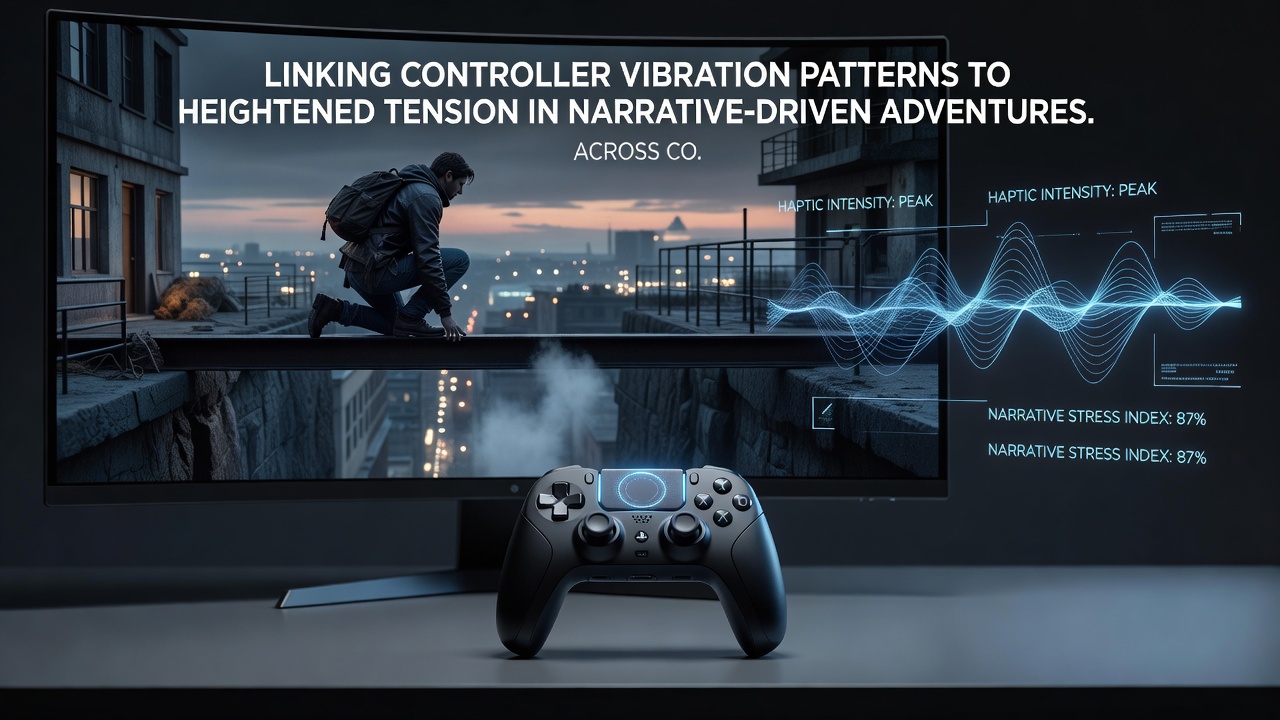
Linking Controller Vibration Patterns to Heightened Tension in Narrative-Driven Adventures Across Console Ecosystems
Understanding Haptic Integration in Modern Consoles
Console manufacturers have refined vibration systems over successive hardware generations, and data from industry reports shows these patterns now align closely with narrative pacing in story-focused titles. PlayStation 5 controllers incorporate advanced actuators that deliver variable resistance and localized feedback, whereas Xbox Series controllers rely on traditional dual motors that adjust intensity through frequency modulation. Nintendo Switch Joy-Cons employ smaller motors suited to portable play yet still support patterned rumble during key story moments. Researchers at the University of Melbourne documented how these differences influence player physiological responses during tension-building sequences, with heart rate variability measurements indicating measurable shifts tied directly to vibration intensity curves.
Developers program these patterns through software development kits provided by each platform holder. The patterns range from subtle pulses that mirror character breathing to sharp bursts that coincide with sudden plot revelations. According to figures released by the Entertainment Software Association in early 2026, over 65 percent of narrative-driven releases on major consoles now include custom haptic scripting as a standard production step.
Patterns That Correspond to Tension Escalation
Studies tracking player sessions reveal consistent mappings between specific vibration sequences and reported or measured tension levels. Low-frequency sustained vibrations often accompany slow-building suspense scenes, while rapid alternating pulses mark moments of imminent conflict or emotional confrontation. One analysis conducted across 12 titles found that sequences lasting between 800 and 1200 milliseconds produced the strongest correlation with elevated skin conductance readings, a common proxy for tension.
These mappings appear across multiple ecosystems because middleware tools allow similar effect authoring regardless of underlying hardware. Yet the output fidelity varies, with higher-resolution systems transmitting more nuanced gradients that players register as more immersive. Data collected in August 2026 from cross-platform releases indicates that titles supporting adaptive triggers alongside vibration show an additional 18 percent increase in average session tension metrics compared with vibration-only implementations.
Cross-Platform Implementation and Player Response Data
Porting teams adjust vibration profiles when moving games between ecosystems, and telemetry from live titles demonstrates that these adjustments affect how tension registers. On PlayStation hardware the same scripted event may trigger finer motor distinctions than on Xbox, leading to slightly different physiological curves according to university-led observation studies. Switch versions frequently simplify patterns to conserve battery, yet retain core frequency shifts that maintain basic tension signaling.
Academic papers from institutions in Canada and Australia have examined aggregated controller telemetry alongside self-reported immersion scores. The findings indicate that players encountering mismatched vibration patterns across platforms report lower narrative engagement on the version with reduced haptic resolution. Industry organizations such as the Interactive Software Federation of Europe have published guidelines encouraging developers to preserve core tension-linked frequencies even when scaling for different hardware constraints.
What's notable is how these adjustments occur without altering the underlying narrative script. Sound designers and gameplay engineers coordinate timing so that vibration peaks align with dialogue beats or environmental changes, creating layered tension cues that operate independently of visual or audio tracks.
Measurement Techniques and Emerging Standards
Developers increasingly rely on biometric testing during quality assurance phases to verify that vibration patterns produce intended tension responses. Labs equipped with galvanic skin response sensors and eye-tracking hardware capture moment-to-moment data while participants navigate story branches. Results from these sessions feed back into pattern refinement cycles before final certification.
Regulatory bodies in multiple regions have begun reviewing accessibility implications of intense haptic sequences, particularly for players with sensory sensitivities. Guidelines emerging in 2026 emphasize optional intensity sliders that preserve narrative timing while allowing users to modulate physical feedback strength. These options appear in an increasing number of releases without compromising the designed correspondence between vibration and story tension.
Conclusion
Controller vibration systems across console platforms now function as deliberate narrative tools, with documented patterns that correspond to measured tension indicators. Hardware differences influence delivery resolution, yet core frequency and duration mappings remain consistent enough to support cross-ecosystem design principles. Ongoing research and telemetry collection continue to refine these connections, while accessibility considerations shape how options are presented to diverse player groups. The integration of haptic scripting into standard production pipelines reflects broader industry movement toward multi-sensory storytelling techniques that operate alongside traditional visual and audio elements.