Input lag labyrinths: charting controller response variations and their effects on precision-based challenges in fighting game circuits
Klara Wolf · May 26, 2026
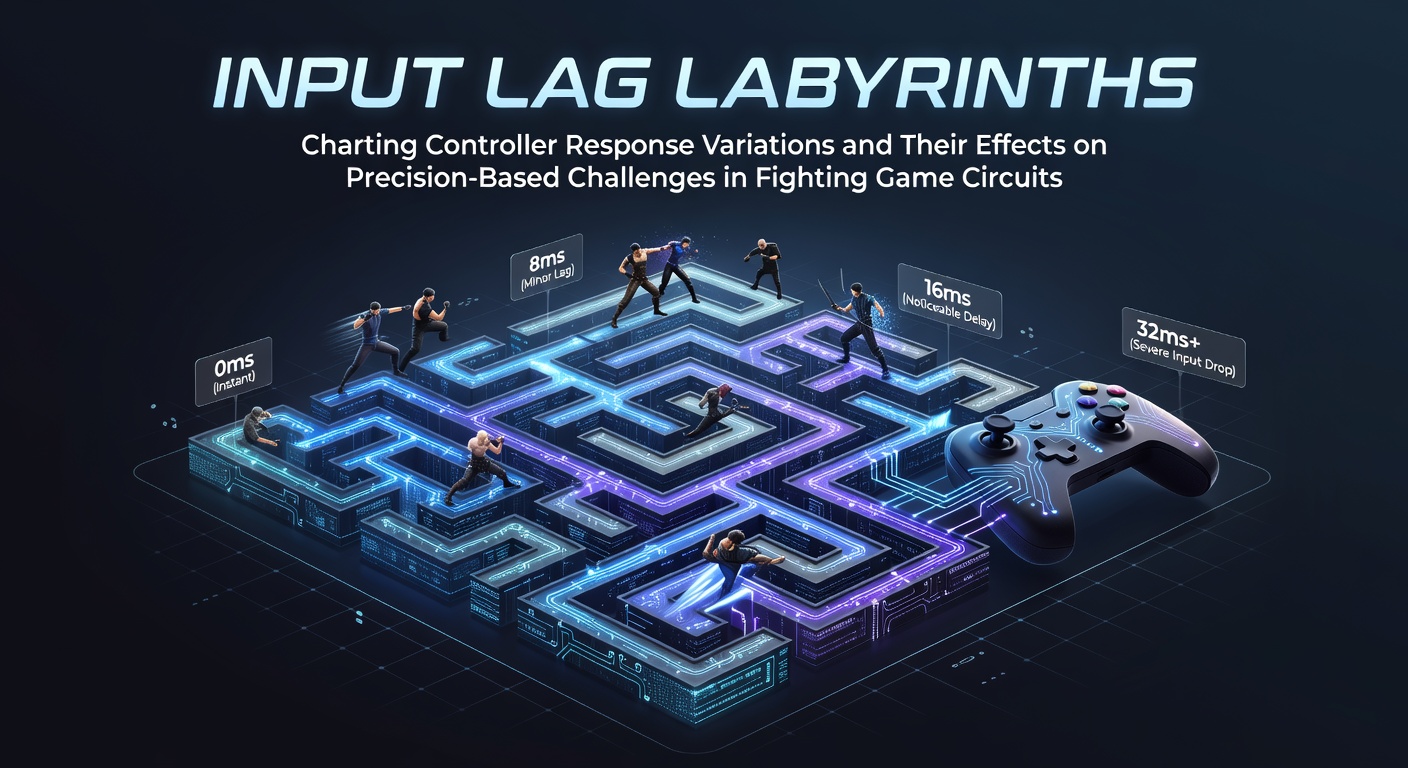
Input lag labyrinths: charting controller response variations and their effects on precision-based challenges in fighting game circuits
Input lag refers to the delay between a player's physical action on a controller and the corresponding response on screen, and researchers have documented how this factor shapes outcomes in fighting game circuits where frame-perfect timing determines success or failure. Data from multiple hardware tests shows variations ranging from under 1 millisecond in optimized wired setups to over 20 milliseconds in certain wireless configurations, according to studies compiled by the Entertainment Software Association. Those who've analyzed tournament footage note that even small discrepancies compound during extended combos or defensive maneuvers, and this holds particular relevance as circuits prepare for major events scheduled throughout May 2026.
Controller hardware differences and measured response times
Observers note clear distinctions across controller types used in competitive play, with arcade sticks often delivering lower latency than standard gamepads because of their direct mechanical switches and minimal signal processing. Research indicates that wireless controllers introduce additional variability due to Bluetooth or proprietary radio protocols, while wired models maintain more consistent performance across different console generations. Figures from independent lab evaluations reveal that certain third-party fight pads exhibit response variations of 4 to 8 milliseconds compared to official hardware, and these differences become measurable when players execute precise inputs like instant air dashes or counter hits in titles such as Street Fighter 6 and Tekken 8.
Engineers at various universities have developed standardized testing rigs that capture input-to-display latency using high-speed cameras and oscilloscopes, and results consistently highlight how firmware updates can alter these values over time. One study conducted in partnership with a Canadian research institution demonstrated that certain Bluetooth adapters add an average of 3.2 milliseconds to baseline readings, whereas direct USB connections eliminate that overhead entirely. Players in professional circuits frequently switch between multiple controller options during practice sessions to map these variations against specific game engines.
Impact on precision mechanics in competitive environments
Precision-based challenges in fighting games rely on tight execution windows measured in single frames, typically 16.67 milliseconds at 60 frames per second, and input lag directly erodes the effective time available for reactions. Data shows that participants facing elevated latency often miss links in combos or fail to punish unsafe moves within the required windows, and tournament organizers have begun incorporating latency checks into pre-event calibration protocols. In circuits running through spring 2026, officials reference aggregated hardware benchmarks when approving equipment lists to maintain competitive integrity.
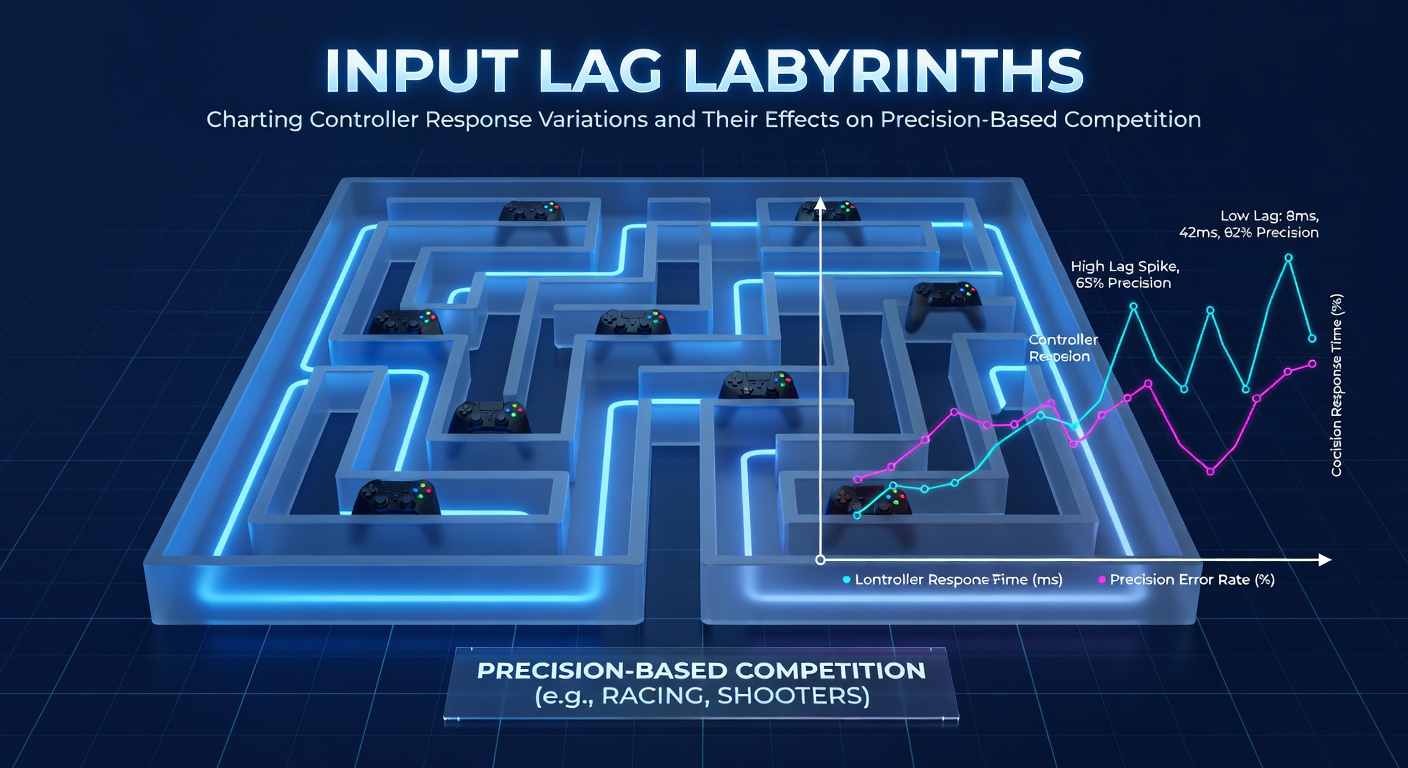
Those analyzing match replays observe that defensive play suffers more noticeably than offensive sequences because blocking and parrying demand split-second recognition of opponent animations. Research from academic groups in Europe has quantified how a 5-millisecond increase in lag correlates with measurable drops in successful reversal rates across large sample sizes of recorded matches. Circuit participants adapt by adjusting their timing expectations during bracket runs, yet this adaptation process varies based on individual hardware familiarity and prior exposure to different response profiles.
Measurement standards and mitigation approaches
Industry groups and research bodies have established protocols for quantifying controller response across platforms, and these standards allow direct comparisons between legacy and current-generation equipment. Reports compiled by the Interactive Software Federation of Europe outline testing methodologies that isolate variables such as display refresh rates, cable quality, and console output modes. Participants in May 2026 events receive guidance on minimizing external factors like television post-processing, which can add unpredictable delays beyond the controller itself.
Hardware manufacturers have introduced features such as low-latency modes and dedicated tournament firmware, and evidence suggests these options reduce average response times when activated properly. Academic papers detail how players calibrate their setups using built-in training modes that highlight input timing discrepancies, and community resources aggregate this data for broader use. Observers note that consistent application of these mitigation steps helps level the field during high-stakes matches where every frame matters.
Conclusion
Controller response variations continue to influence precision outcomes across fighting game circuits, and ongoing measurements provide the factual basis for equipment standards and player preparation. As events unfold in 2026, the documented effects of input lag remain central to discussions around fair competition and technical optimization in the genre.