Examining Real-Time Physics Simulations and Animation Pipeline Integration in Physics-Based Puzzle Adventures Across Gaming Platforms
Klara Wolf · Aug 22, 2026
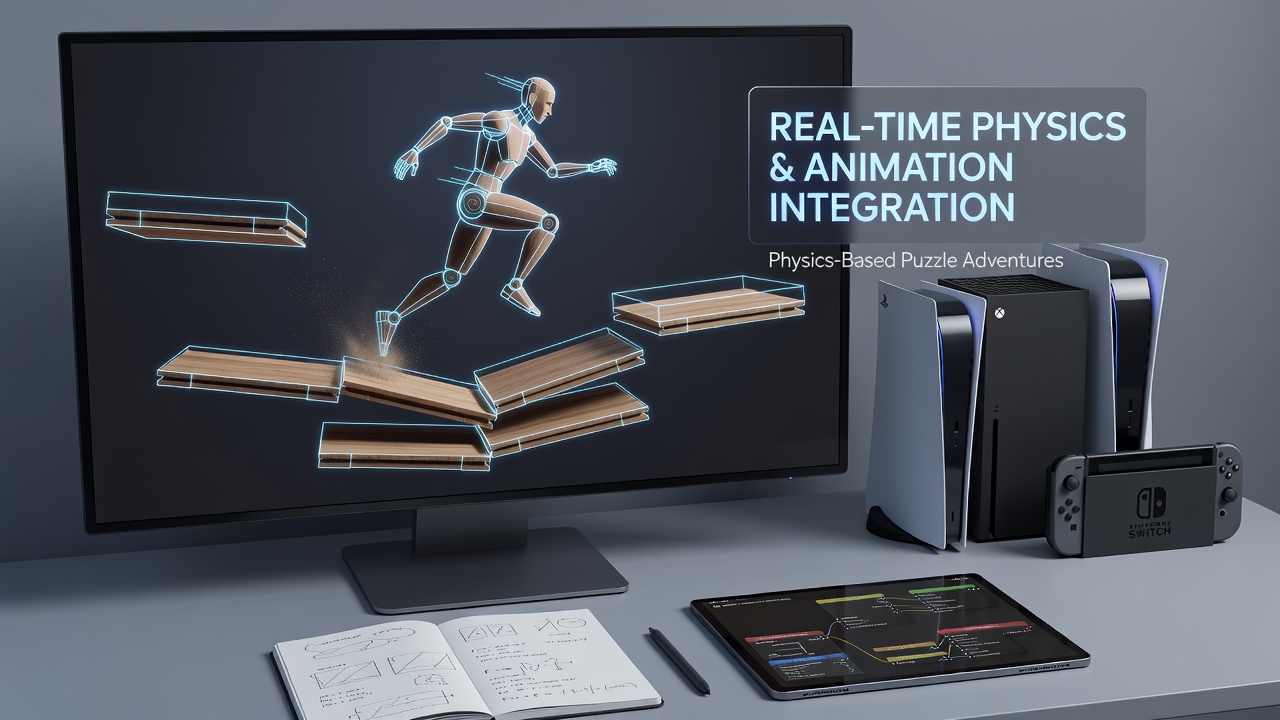
Examining Real-Time Physics Simulations and Animation Pipeline Integration in Physics-Based Puzzle Adventures Across Gaming Platforms
Developers have combined real-time physics simulations with character animation pipelines to create responsive environments in physics-based puzzle adventures, where object interactions and player movements follow consistent rules across PC, console, and mobile systems, and data from industry reports shows that these integrations rely on middleware such as Havok and PhysX to handle collision detection while animation layers adjust skeletal rigs in response to calculated forces.
Core Technical Mechanisms
Real-time physics engines calculate velocities, torques, and constraints each frame, then feed those outputs directly into animation blending trees so characters react with matching posture shifts, joint rotations, and momentum transfers, while observers note that inverse kinematics solvers often resolve foot placement and hand grips after the physics step completes, and this sequence prevents visual disconnects between simulated bodies and animated figures. Research from academic sources indicates that synchronization occurs through shared data buffers where physics states update animation parameters at fixed time steps, although variable frame rates on different hardware require interpolation routines to maintain stability, and developers implement these routines to avoid jitter during rapid object stacking or swinging mechanics common in puzzle designs.
Platform-Specific Implementation Patterns
Console versions running on PlayStation and Xbox hardware allocate dedicated physics threads that operate alongside animation update loops, whereas mobile devices with lower thermal limits often simplify rigid body counts and reduce solver iterations to keep frame times under 16 milliseconds, and figures from hardware benchmarks reveal that PC configurations with high-end GPUs can process up to four times more simultaneous constraints before animation pipelines begin to drop frames. Cross-platform engines therefore expose scalability flags that let teams toggle between full Havok solving and lighter approximations, allowing the same puzzle level to behave consistently while animation fidelity scales with available compute resources, and this approach appears in titles that ship simultaneously on multiple systems.
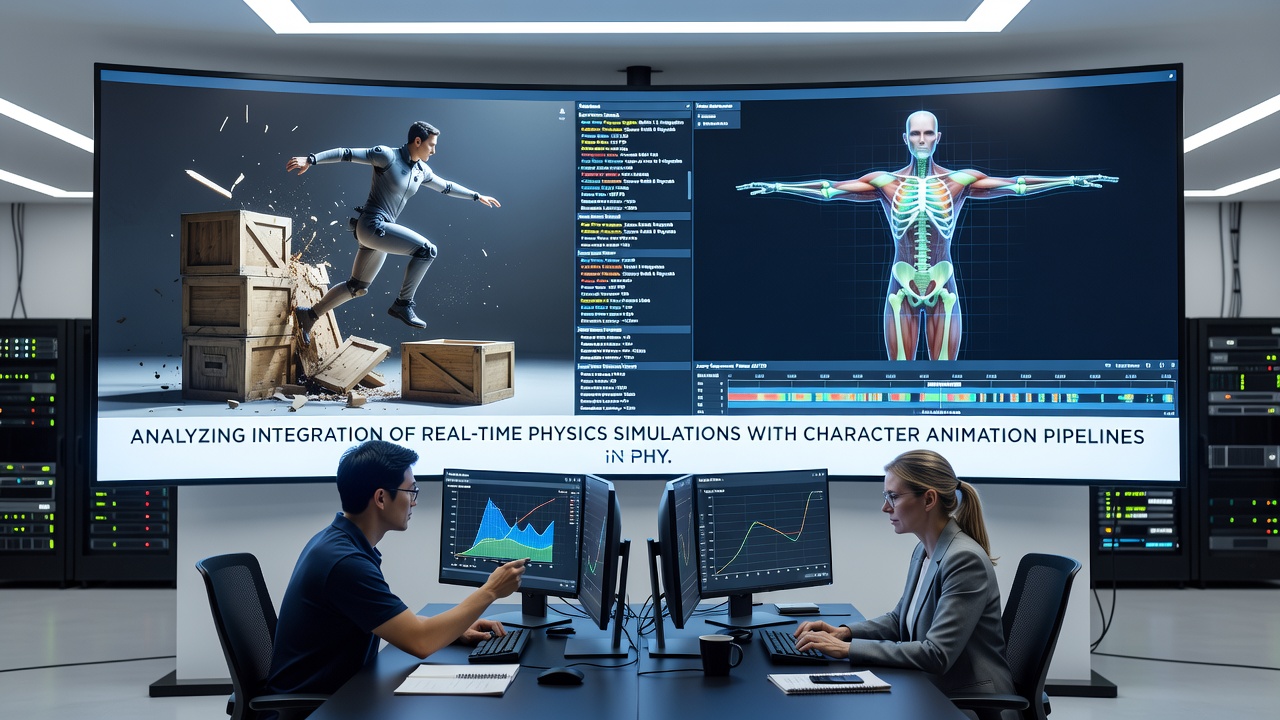
Engineers at studios targeting handheld systems frequently pre-bake certain animation transitions for common physics events such as box tipping or rope swinging, then blend them with runtime simulation results only when player input alters trajectories, and this hybrid method reduces CPU load without sacrificing the core feel of interactive puzzles.
Recent Developments Observed in Mid-2026
By August 2026 several middleware updates introduced GPU-accelerated cloth and fluid solvers that feed directly into character animation state machines, enabling more complex puzzle elements such as flowing liquids that push animated figures across platforms, and reports from the Entertainment Software Association document increased adoption of these features in independent puzzle releases. European research consortia have published comparative studies on synchronization latency across AMD and NVIDIA architectures, showing measurable differences in how animation buffers absorb physics corrections, while Australian academic teams examined mobile-specific optimizations that preserve puzzle solvability even under aggressive power throttling.
Case Examples from Released Titles
One widely referenced production pipeline demonstrates how a swinging pendulum puzzle uses joint constraints calculated by the physics engine to drive an IK solver that repositions a character's arms and torso in the animation graph, resulting in seamless player-controlled swings that feel weighty on every supported device, and similar techniques appear in games where stacking blocks requires both accurate collision responses and believable character balancing animations. Data collected from telemetry in live puzzle adventures indicates that players spend measurable extra time experimenting with physics interactions when animation feedback matches the simulation closely, although exact engagement metrics vary by platform input method.
Challenges in Maintaining Consistency
Discrepancies arise when floating-point precision differs between CPU and GPU solvers, causing slight variations in final positions that animation systems then amplify into visible pose mismatches, and teams address this through deterministic physics modes that lock calculation order regardless of hardware, although such modes increase overall frame cost. Networking layers in cooperative puzzle modes further complicate matters because physics states must serialize reliably while animation states follow local predictions, and synchronization protocols developed for these scenarios continue to evolve with each new console generation.
Conclusion
Integration of real-time physics simulations with character animation pipelines has become a standard requirement for physics-based puzzle adventures that target multiple gaming systems, and ongoing middleware refinements along with platform-specific optimizations allow consistent behavior while respecting hardware constraints, with continued research supporting incremental improvements in synchronization accuracy and visual coherence across devices.