Decoding Quest Design Patterns Across Roguelike Procedurals and Their Ripple Effects on Replay Loops in Both Digital Storefronts and Physical Cartridges
Yara Simmons · May 23, 2026
Decoding Quest Design Patterns Across Roguelike Procedurals and Their Ripple Effects on Replay Loops in Both Digital Storefronts and Physical Cartridges
Quest design in roguelike procedurals relies on layered randomization systems that generate objectives, layouts, and rewards through algorithms rather than fixed scripts, and developers have refined these patterns since the early 2010s to sustain player engagement across repeated runs. Patterns typically include seed-based world generation, modular enemy placement, and conditional quest triggers that shift based on prior choices, which together create unique sequences each time a player starts a new loop. Data from industry reports shows that titles incorporating these elements maintain higher session counts compared to linear counterparts, because the procedural layers prevent exact repetition while preserving core mechanics.
Core Patterns in Procedural Quest Construction
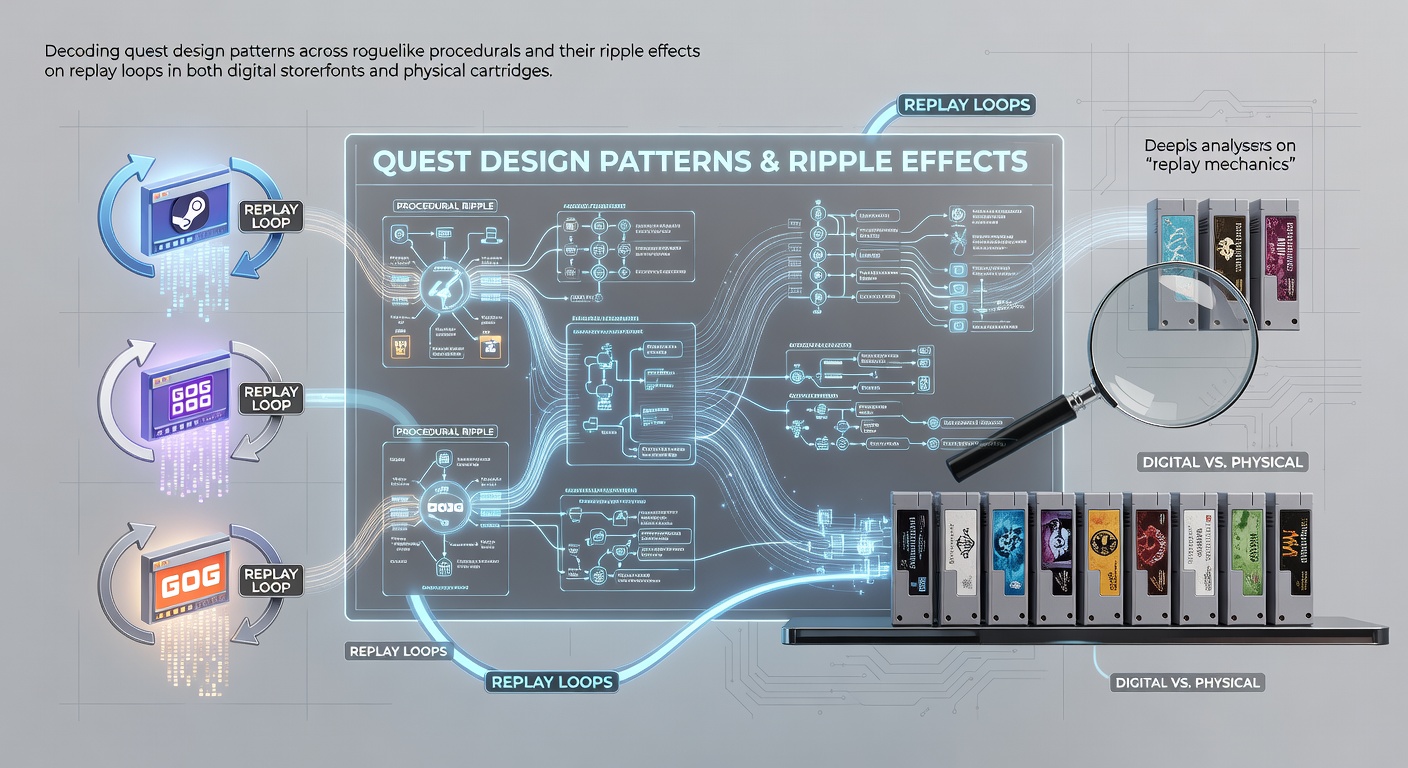
Researchers at institutions such as the University of Alberta have documented how roguelike quest systems break down into reusable components including node-based graphs for pathfinding, weighted tables for item distribution, and state machines that track run history. These components interact so that a single seed produces varied outcomes, for instance by altering boss arenas or inserting side objectives only when certain thresholds are met. Observers note that this modular approach allows small teams to expand content libraries without manual level design for every variation, while larger studios integrate machine learning models to refine balance across thousands of possible combinations. In practice, games released through 2025 demonstrate tighter integration of narrative fragments that surface differently per run, turning procedural output into emergent storytelling rather than pure mechanical repetition.
Replay Loop Dynamics and Retention Metrics
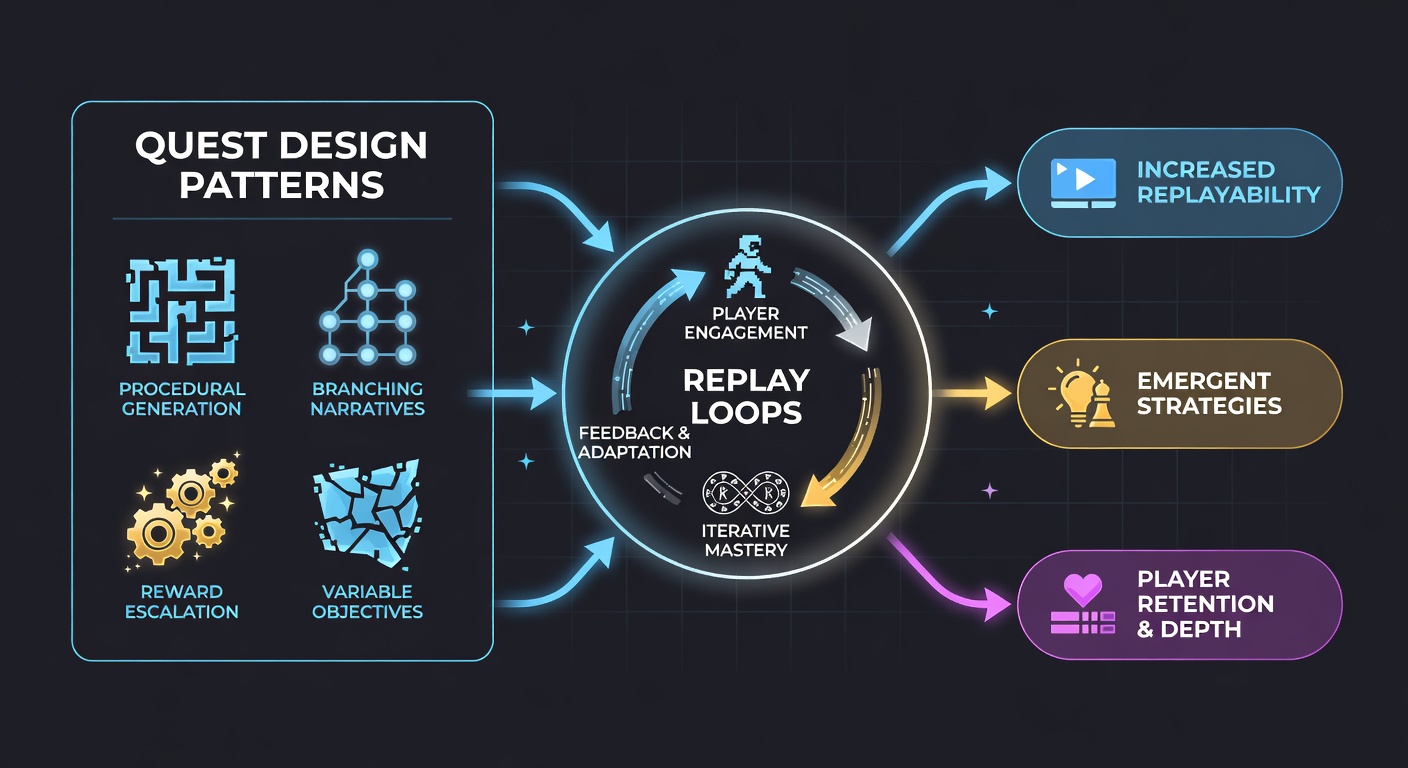
Replay loops form when players return for additional attempts after failure or completion, and quest patterns directly influence how long these cycles persist before diminishing returns set in. Short loops arise from quick restarts with minimal setup, whereas extended loops emerge when cumulative unlocks and meta-progression carry forward across deaths. Figures released by the Entertainment Software Association indicate that roguelike procedural titles accounted for a measurable share of digital sales growth in 2025, largely because their quest structures reward incremental mastery over dozens of hours. Those who have analyzed player telemetry find that quest variety correlates strongly with reduced churn rates, since each new configuration presents fresh decision trees that keep cognitive engagement high even after the initial campaign feels familiar.
Digital Storefront Adaptations and Update Cycles
Digital platforms enable continuous deployment of quest pattern refinements through patches and expansions, which in turn extends replay loops well beyond the original release window. Developers push new procedural rulesets, additional quest archetypes, and balance tweaks that alter how seeds generate content, allowing communities to discover novel combinations months or years later. This model supports live-service elements such as seasonal events that temporarily modify generation weights, and data indicates these interventions boost concurrent player numbers during rollout periods. Physical cartridges, by contrast, ship with fixed procedural parameters determined at manufacturing, so replay loops depend entirely on the initial design and any built-in randomization depth rather than post-launch modifications.
Physical Cartridge Constraints and Enduring Appeal
Cartridge-based releases preserve quest patterns in a static form, which creates a different replay dynamic centered on mastery of the core generation rules without external updates. Collectors and speedrunners often map the full range of possible seeds manually, turning the fixed algorithm into a shared knowledge base that communities document over time. In May 2026 several reissues of earlier roguelike titles appeared in limited cartridge runs, demonstrating continued demand for physical versions whose procedural systems remain unchanged from their digital counterparts. Because no patches can expand quest variety after production, designers allocate extra resources during development to ensure the base generation tables contain sufficient depth for hundreds of distinct experiences.
Cross-Format Ripple Effects on Player Behavior
The divergence between digital and physical formats influences how players approach quest patterns and structure their replay sessions. Digital users frequently switch between multiple titles as updates arrive, fragmenting attention across evolving loops, whereas physical owners tend to commit longer stretches to a single cartridge before moving on. Industry analyses from the Interactive Software Federation of Europe track how these habits affect overall playtime distribution, showing that procedural depth in fixed media sustains dedicated niche audiences even as broader markets favor constantly refreshed digital content. Both formats benefit when quest design incorporates clear feedback loops that communicate why one run differed from another, because such transparency encourages players to experiment with new strategies rather than repeat the same optimal path.
Conclusion
Quest design patterns in roguelike procedurals shape replay loops through deliberate randomization layers that reward exploration of generated possibilities, and the distinction between digital storefront flexibility and physical cartridge permanence determines how those loops evolve after initial release. Developers continue to refine generation algorithms to balance novelty against fairness, while platforms and formats each impose unique constraints that affect long-term engagement. The resulting ecosystem supports sustained interest in procedural systems across both distribution channels as new titles launch and older ones receive renewed attention.