Cultivating Digital Gardens: Analyzing Resource Cultivation Loops and Sustainability Themes in Farming Simulation Hybrids
Ellis Koch · Jul 9, 2026
Cultivating Digital Gardens: Analyzing Resource Cultivation Loops and Sustainability Themes in Farming Simulation Hybrids
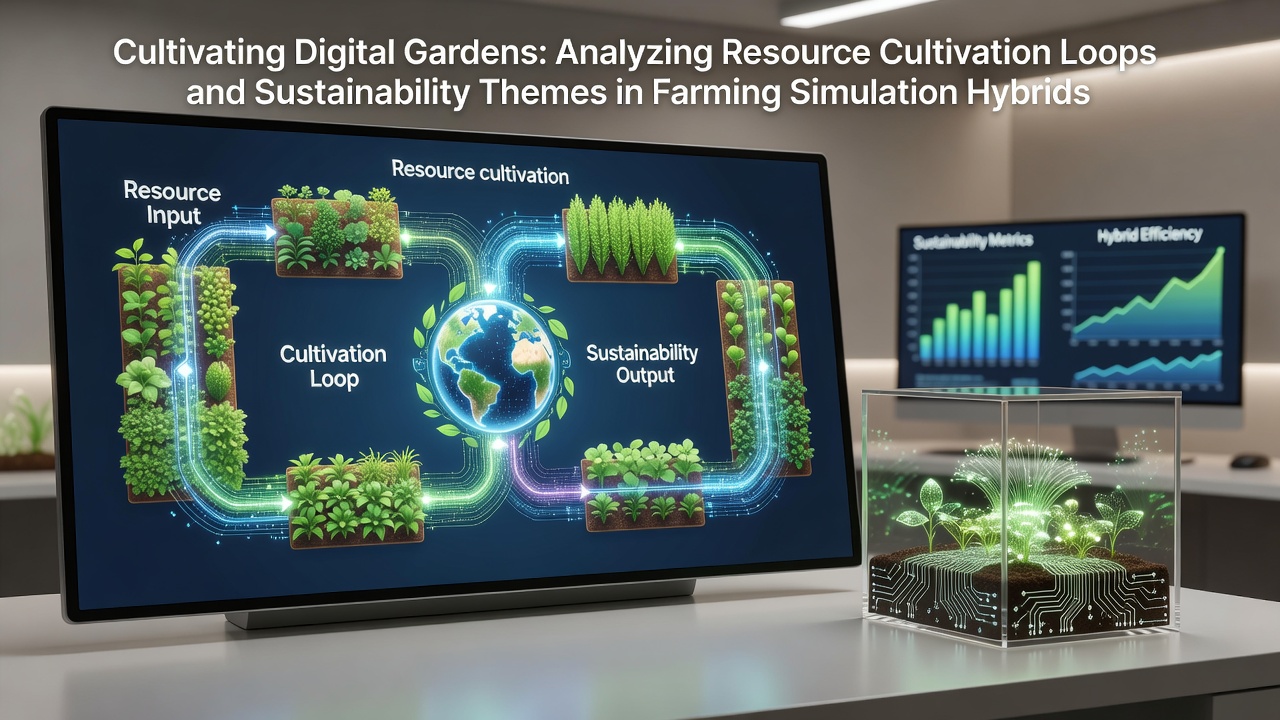
Resource cultivation loops form the core structure in farming simulation hybrids that blend agricultural management with elements from RPGs, survival mechanics, and strategy systems. Players plant seeds, monitor growth cycles influenced by weather variables, harvest yields, and reinvest outputs into expanded infrastructure while balancing input costs against market fluctuations. These loops create repeating patterns where each cycle feeds into the next through resource conversion chains that reward efficient planning and penalize neglect through diminishing returns.
Mechanics Behind Cultivation Loops
Designers implement layered progression where basic farming actions unlock processing stations, animal husbandry modules, and distribution networks. A single crop harvest might generate raw materials that players refine into products for sale or use in crafting tools, and this conversion process multiplies value while introducing new variables such as spoilage timers and quality modifiers. Research from academic institutions in Canada has documented how these systems maintain engagement through escalating complexity that scales with player investment, turning simple planting sequences into multi-stage operations spanning entire virtual seasons.
Hybrids often layer additional constraints onto standard loops, such as limited storage capacity or labor requirements that force prioritization decisions across simultaneous tasks. Data indicates these additions prevent repetitive grinding by tying agricultural output to broader gameplay systems like exploration or combat, where farmed resources supply ammunition or healing items. Observers note that successful implementations create feedback where sustainable choices, including crop rotation or companion planting, reduce long-term risks from soil depletion mechanics simulated through numerical trackers.
Sustainability Themes Across Hybrid Titles
Many farming simulation hybrids incorporate explicit sustainability frameworks that mirror real-world agricultural practices through coded environmental impacts. Soil nutrient levels decline without rotation or fertilization, water sources require management to avoid over-extraction, and biodiversity metrics influence pollinator availability for certain crops. These elements appear in titles released or updated through July 2026, where developers expanded eco-tracking systems to include carbon footprint calculations tied to machinery usage and land clearing activities.
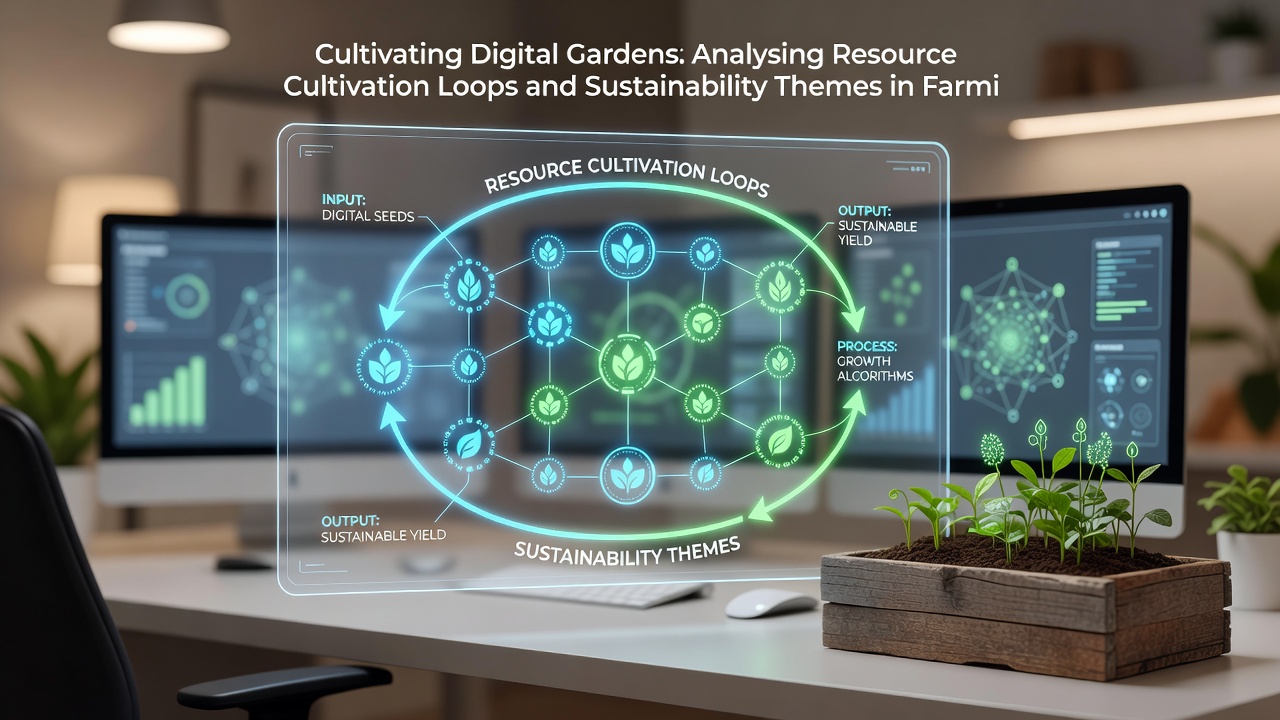
Studies published by researchers at the University of Melbourne reveal patterns where sustainability mechanics alter player strategies by introducing delayed consequences that reward foresight over short-term maximization. Players who adopt integrated pest management or renewable energy sources for farm operations experience compounded benefits across multiple seasons, whereas exploitative approaches trigger cascading failures like reduced yields and increased event frequency for natural disasters. Industry reports from the Interactive Software Federation of Europe track rising adoption of these themes in hybrid projects, linking them to player retention data that shows longer play sessions in titles emphasizing balanced resource use.
Player Adaptation and System Interactions
Community analyses demonstrate how cultivation loops intersect with narrative and social features in hybrids, where sustainable farming decisions influence dialogue options, alliance formations, and story branches. Resource surpluses generated through efficient loops enable players to support in-game communities or unlock cooperative modes, while unsustainable paths lead to isolation mechanics and restricted access to shared tools. These interactions create emergent narratives that reflect the consequences of loop management without direct tutorial intervention.
Technical implementations vary by platform, yet core loop structures remain consistent across releases, allowing cross-save functionality that preserves sustainability progress. Updates in mid-2026 introduced dynamic market systems responsive to collective player actions in online hybrids, where widespread adoption of certain sustainable practices shifts regional pricing and availability data for eco-friendly inputs. Such features extend the relevance of individual cultivation choices into shared ecosystems.
Conclusion
Resource cultivation loops and sustainability themes continue to define farming simulation hybrids through interconnected mechanics that reward systematic approaches to growth and environmental stewardship. Evidence from design studies and retention metrics confirms these elements drive repeated engagement while expanding the genre's capacity to model complex systems. As titles evolve, the integration of these loops with broader gameplay frameworks sustains interest across diverse player bases.