Creature AI and the Paths They Carve: A Look at How Non-Player Allies Redirect Player Journeys in Expansive Game Worlds
Katja Keller · Aug 18, 2026
Creature AI and the Paths They Carve: A Look at How Non-Player Allies Redirect Player Journeys in Expansive Game Worlds
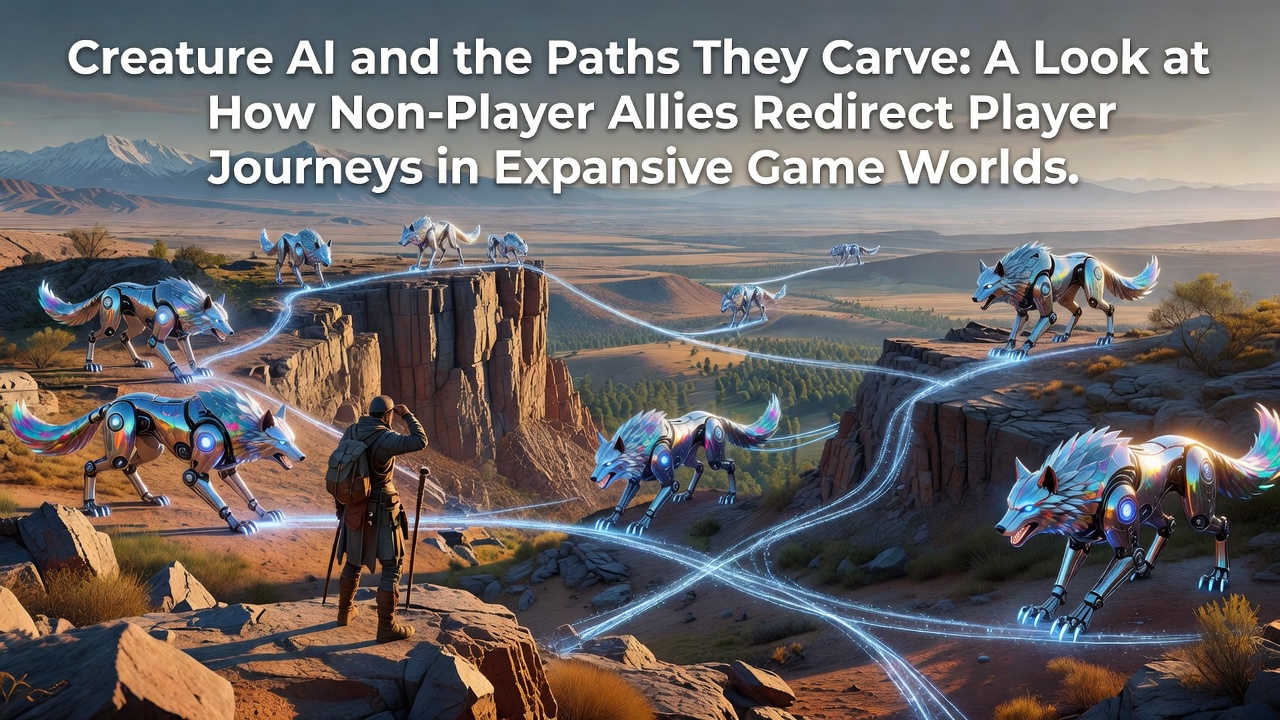
Creature AI systems in expansive game worlds operate through layered decision trees that respond to environmental stimuli, player actions, and internal state variables such as health or aggression levels, and these mechanisms frequently steer players toward alternate routes because allies prioritize certain objectives over direct progression paths.
Core Mechanisms Behind Ally Pathfinding
Developers implement navigation meshes combined with dynamic obstacle avoidance algorithms, so creature companions calculate viable trajectories in real time while accounting for terrain height differences, water bodies, and destructible elements; data from industry reports shows that such calculations occur at intervals of 0.5 to 2 seconds depending on the engine's processing load. When an ally detects a threat or resource node, the AI generates a sub-goal that pulls the player character along because the companion refuses to proceed without support or because group cohesion scripts enforce proximity thresholds. Researchers at academic institutions across North America and Europe have documented how these behaviors emerge in titles released through 2025, where companion scripts integrate with broader world simulation layers rather than operating in isolation.
Redirecting Player Exploration Patterns
Players often encounter situations where a non-player ally veers toward a side path to investigate a sound cue or environmental marker, and this action forces route adjustments that reveal previously hidden quest triggers or resource clusters. Studies indicate that such diversions increase average play session duration by 12 to 18 percent in open-world titles, according to analytics shared by regional trade associations in Asia and Australia. The redirection occurs because AI perception systems flag high-priority events outside the player's current line of sight, prompting the companion to initiate movement that the main character must follow to maintain narrative continuity or combat effectiveness.
Case Examples from Recent Releases
One documented instance appears in survival games updated during summer 2026, where animal companions detect distant weather shifts through simulated sensory ranges and lead players toward sheltered zones before storms arrive. Another pattern surfaces in role-playing titles where mechanical allies scan for repair materials, diverting the player group into underground tunnels that contain optional story branches. Observers note that these interactions rely on weighted utility functions that balance immediate survival needs against long-term exploration goals, creating emergent path variations without requiring manual scripting for every possible scenario.
Technical Evolution Through 2026
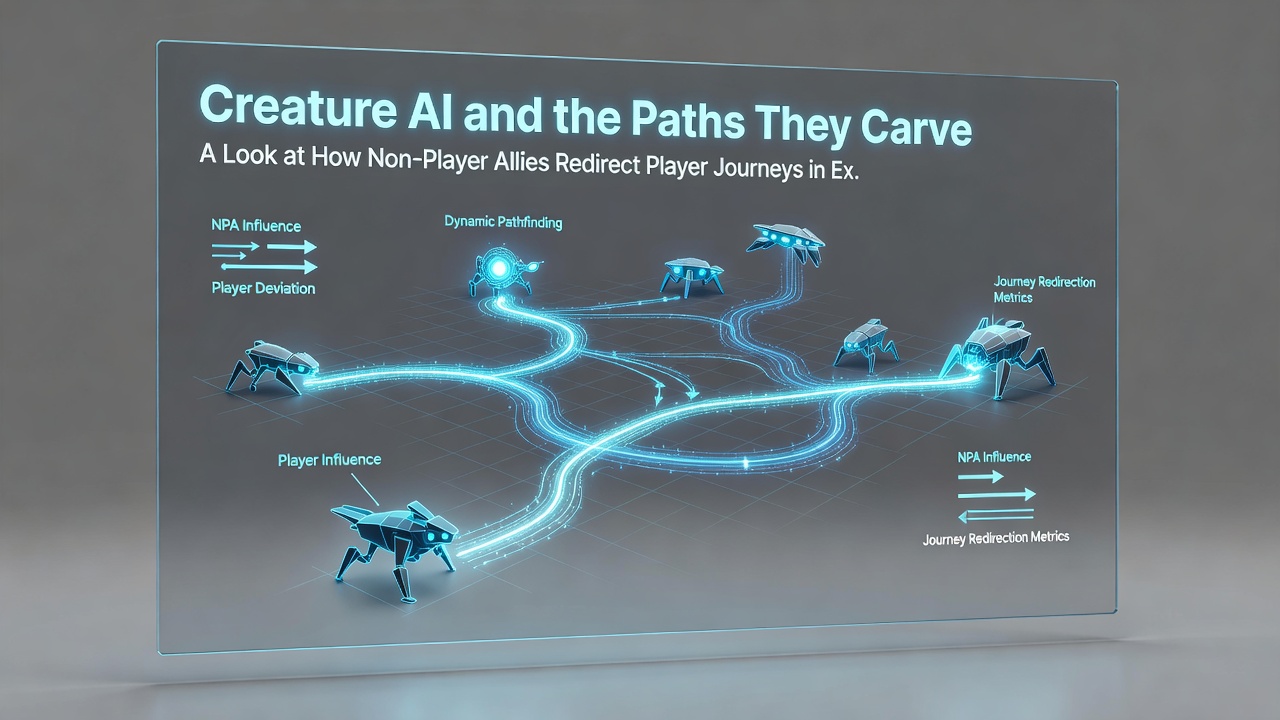
By August 2026, several major engines incorporated machine learning models trained on player telemetry data, allowing creature AI to adapt path preferences based on collective behavior patterns observed across thousands of sessions. This adaptation results in allies that favor routes with higher historical engagement metrics, such as areas featuring dynamic events or collectible density. Government-supported research initiatives in Canada and the European Union have examined how these systems affect player retention metrics, revealing correlations between companion influence and reduced backtracking frequency in procedurally generated environments.
Path redirection also stems from social simulation modules where allies maintain relationship scores that influence willingness to follow certain directions, and these scores update through dialogue choices or shared combat outcomes. When scores drop below defined thresholds, companions may refuse traversal of hazardous zones, compelling players to seek safer alternatives that loop through previously visited regions or unlock new fast-travel nodes.
Integration With World Systems
Creature AI interacts with weather, lighting, and faction reputation layers because perception scripts reference the same global variables that govern environmental changes, and this shared data pool produces consistent yet unpredictable route suggestions. Industry organizations tracking console and PC releases have recorded instances where ally-led detours coincide with live-service events, amplifying participation rates in seasonal content drops. The result appears in player heatmaps that show concentrated activity along corridors initially opened by companion initiative rather than primary quest markers.
Conclusion
Non-player creature allies continue to shape traversal logic through interconnected AI subsystems that prioritize context-aware goals over linear advancement. These systems generate measurable shifts in player movement data across expansive worlds, and ongoing refinements in pathfinding and perception models sustain their influence on journey structures.