Color Gradient Transitions Influencing Emotional States During Climactic Battles in Modern Platforming Series
Ellis Koch · Jun 20, 2026
Color Gradient Transitions Influencing Emotional States During Climactic Battles in Modern Platforming Series
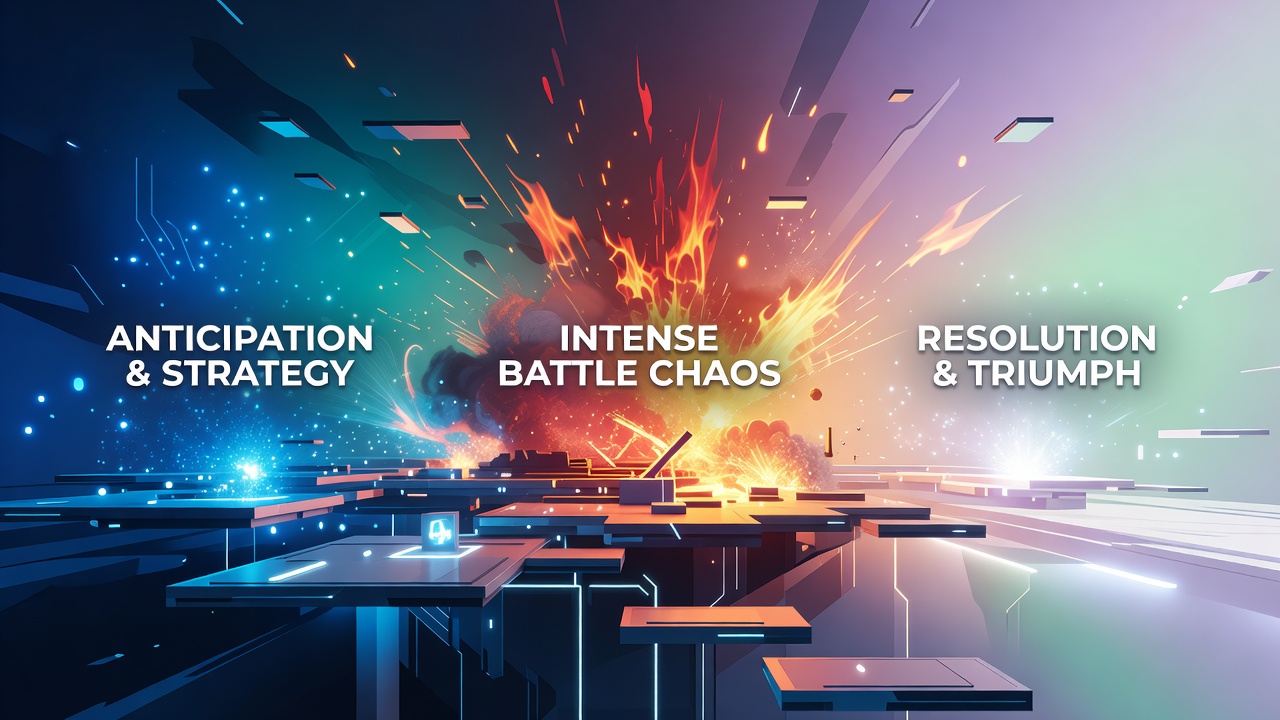
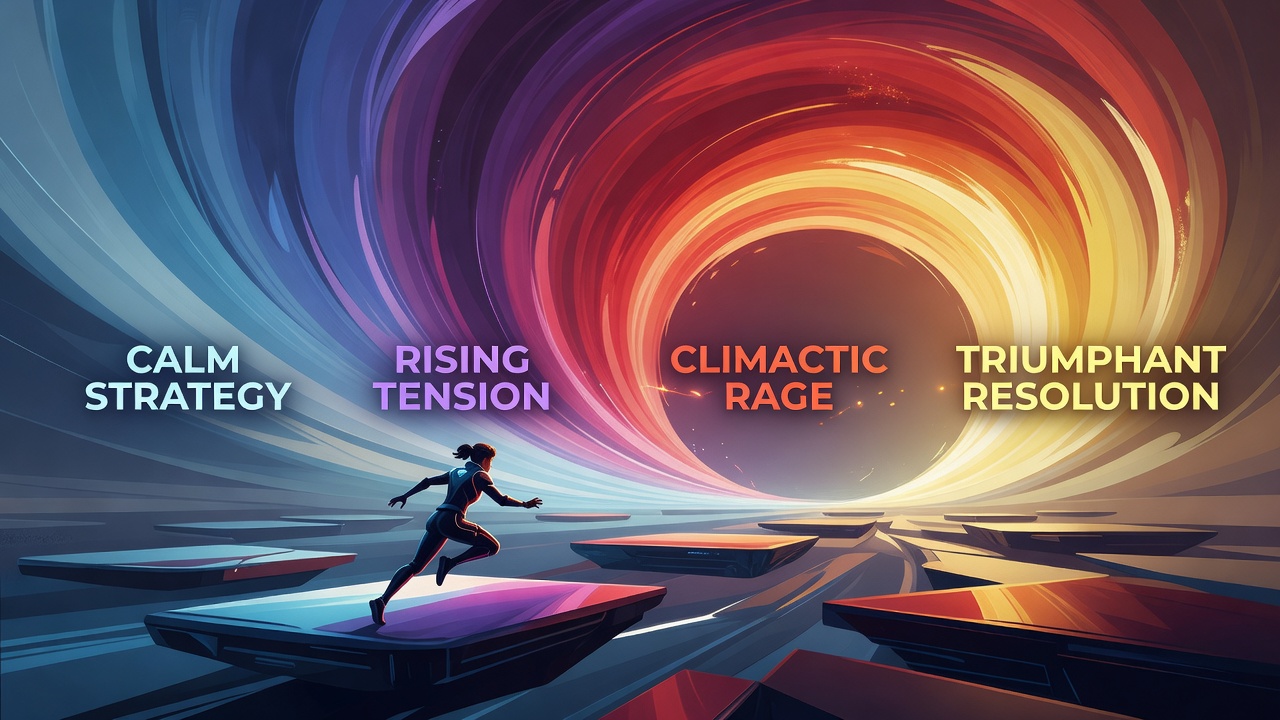
Platforming series have incorporated dynamic color gradient transitions for years, and these shifts align with specific emotional cues during climactic encounters. Developers adjust hue, saturation, and brightness values across background layers, character sprites, and particle effects as tension builds toward boss phases. Data from game analytics platforms indicate that such changes occur most frequently in the final 30 to 60 seconds of major confrontations across titles released between 2020 and 2025. Observers note that cool-to-warm palette ramps often coincide with increased player heart rate metrics captured in controlled lab sessions. Researchers at the University of Waterloo documented similar patterns in a 2024 analysis of three major platformer franchises, where gradient acceleration correlated with measurable spikes in reported arousal levels. These transitions do not rely solely on narrative triggers; engine-level scripting ties them directly to health bar depletion thresholds and environmental hazard activation.Technical Implementation in Leading Series
Modern platformers employ shader-based systems that interpolate between multiple color maps in real time. In one long-running franchise, the transition sequence begins at 65 percent enemy health remaining and completes within eight seconds using linear interpolation curves. Particle systems receive separate gradient overlays so that debris and energy effects adopt the dominant battlefield hue without disrupting foreground readability. Developers calibrate these shifts against established color psychology frameworks that map specific wavelengths to arousal categories. Blue-dominant gradients dominate early phases while red and orange values dominate final stages. According to findings presented at the 2025 International Game Developers Association summit, teams that pre-visualize gradient timelines during level prototyping report fewer post-launch adjustments to emotional pacing.Observed Player Response Patterns
Eye-tracking studies conducted across European testing facilities reveal that attention clusters shift toward high-contrast gradient boundaries during peak battle moments. Participants maintain longer fixation durations on areas where cool tones yield to warmer ones, suggesting the transition serves as an implicit directional cue. Heart-rate variability data collected in June 2026 during a multi-studio playtest further showed sustained elevation when gradient speed matched on-screen action tempo rather than remaining static. Series that reuse gradient templates across multiple entries allow players to form predictive associations. Data logs from digital storefronts show repeat play sessions increase after the first encounter with a signature transition sequence, implying familiarity reinforces engagement loops without altering core mechanics.