Biomechanical Feedback Loops: Integrating Controller Vibrations to Enhance Realism in Simulation Titles
Katja Keller · Jul 21, 2026
Biomechanical Feedback Loops: Integrating Controller Vibrations to Enhance Realism in Simulation Titles
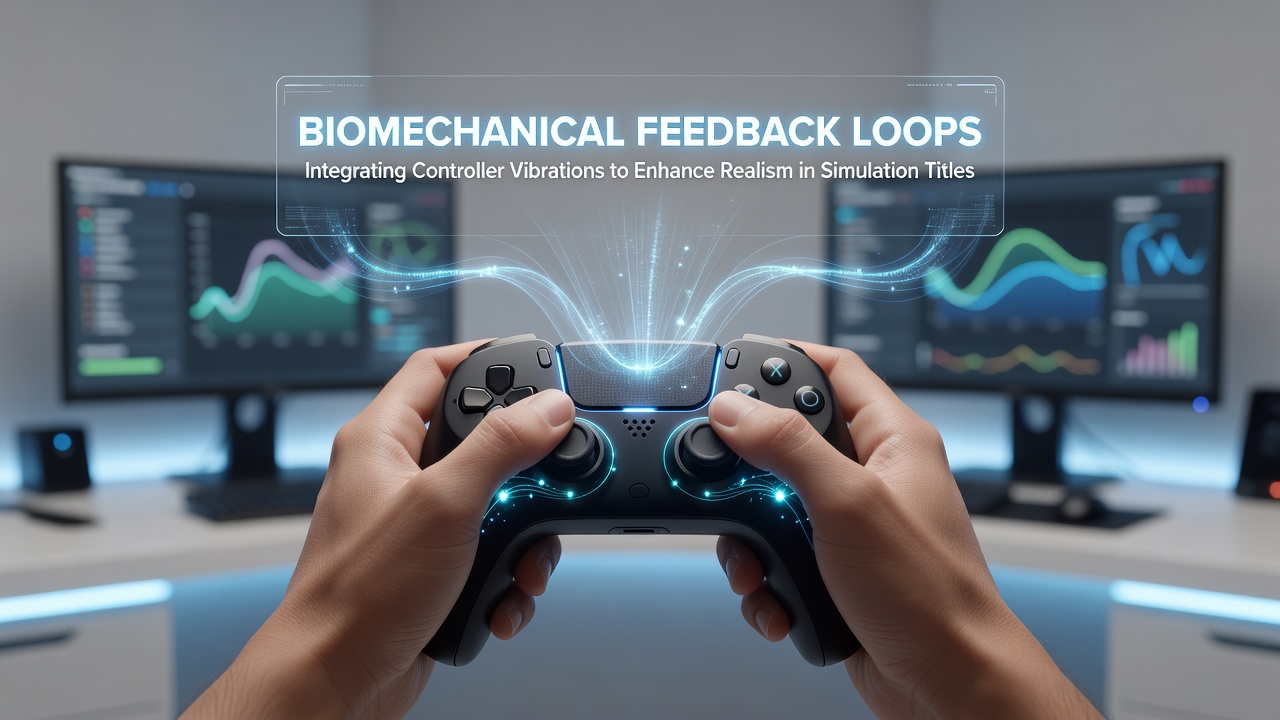
Simulation titles rely on precise control systems that translate player inputs into virtual actions while feeding back environmental data through controller vibrations and these biomechanical feedback loops create a direct connection between physical sensations and on-screen events. Engineers design vibration patterns that match real-world forces such as engine torque shifts in racing simulations or turbulence effects in flight models and the result allows players to interpret vehicle states without relying solely on visual cues.
Technical Foundations of Haptic Integration
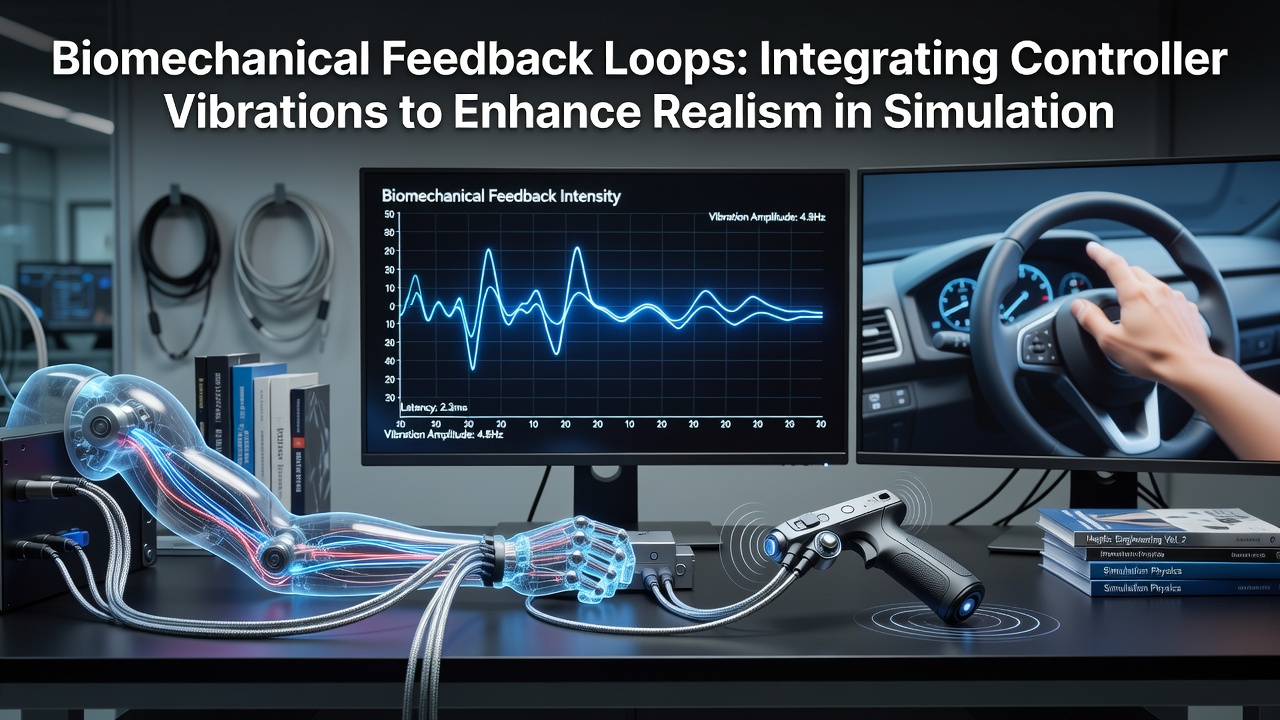
Modern controllers incorporate multiple actuators including linear resonant actuators and eccentric rotating mass motors that operate at varying frequencies and amplitudes and developers map these outputs to specific simulation parameters like tire grip loss or wind resistance changes. Data from telemetry streams feeds directly into the vibration system so that when a virtual aircraft encounters shear winds the controller pulses in sequences that replicate the physical jolts recorded during actual test flights.
Implementation in Racing and Flight Simulations
Racing titles such as those running on advanced physics engines use wheel slip data to modulate rumble intensity and duration while flight simulators adjust vibration strength based on airspeed and control surface deflection. Studies conducted by research teams at institutions including the University of California have measured response times showing that integrated haptic cues reduce reaction delays by measurable margins during precision maneuvers and similar patterns appear in heavy machinery simulations where operators receive feedback on load distribution through handle vibrations.
Developers calibrate these loops during extensive testing phases that involve professional drivers and pilots who provide input on sensation accuracy and the process ensures that vibration signatures align with documented biomechanical responses observed in real vehicles. In July 2026 several studios released updated simulation patches that refined actuator timing for next-generation controllers and these adjustments addressed latency issues reported in earlier builds.
Player Adaptation and Performance Data
Players adapt to these feedback systems over repeated sessions and performance metrics collected across platforms indicate improved consistency in handling complex scenarios once users internalize the vibration language. Industry reports from the Entertainment Software Association document rising adoption rates of advanced haptic features in simulation genres and figures reveal that titles incorporating detailed vibration mapping maintain higher session lengths compared to those using basic rumble alone.
Hardware manufacturers continue to expand actuator capabilities with dual-motor arrays that allow independent left and right channel feedback and this separation enables more nuanced representations of asymmetric forces such as banking turns or engine imbalances. Software development kits now include dedicated haptic authoring tools that let designers layer multiple vibration tracks and synchronize them with audio and visual events without introducing additional processing overhead.
Cross-Platform Considerations
Cross-platform releases require careful scaling of haptic intensity because mobile controllers feature smaller motors than console units and developers adjust amplitude curves accordingly to preserve the intended feedback strength. Research published through the Digital Games Research Association examines how these scaled vibrations affect spatial awareness in portable simulation experiences and the findings highlight consistent player orientation improvements when haptic cues complement on-screen indicators.
Engine updates in 2025 introduced real-time modulation scripts that respond to environmental variables such as surface temperature affecting tire behavior and these scripts trigger corresponding vibration changes that inform players of evolving conditions before visual degradation becomes apparent. Observers note that such systems reduce reliance on heads-up displays and allow cleaner cockpit views during critical phases of operation.
Future Directions in Feedback Design
Emerging controller prototypes include additional sensors that detect grip pressure and hand orientation and these inputs could close further biomechanical loops by adjusting vibration output based on how firmly a player holds the device. Simulation communities continue to share calibration profiles that fine-tune actuator responses for specific hardware combinations and these community-driven datasets contribute to broader industry standards for haptic consistency.
Training applications in professional sectors already incorporate similar vibration feedback to prepare operators for equipment handling and game developers draw from these established practices when refining consumer simulation titles. Data indicates that titles supporting customizable haptic profiles see increased engagement from users who adjust settings to match personal sensitivity thresholds and this flexibility supports wider accessibility across different player groups.
Conclusion
Biomechanical feedback loops represent a maturing layer of simulation design that connects controller hardware directly to virtual physics calculations and continued refinement of actuator technology promises even tighter integration between player actions and environmental responses. As simulation engines grow more sophisticated the role of precise vibration mapping expands alongside graphical and audio advancements and the result delivers measurable gains in situational awareness during extended play sessions.