Asymmetric Arena Antics: Decoding the Balance Act in Uneven Multiplayer Clashes
Klara Wolf · Apr 21, 2026
Asymmetric Arena Antics: Decoding the Balance Act in Uneven Multiplayer Clashes
Unpacking the Core of Asymmetric Multiplayer Design
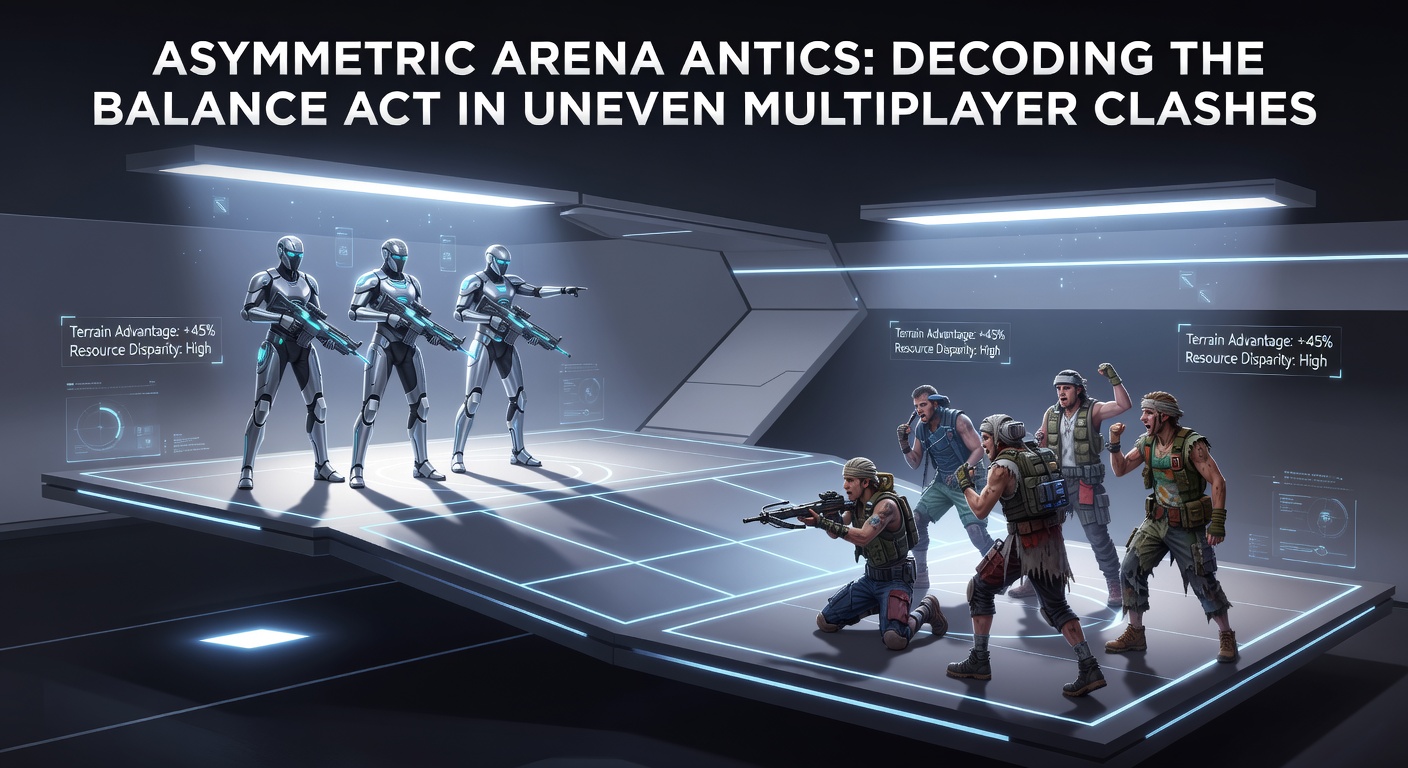
Developers craft asymmetric multiplayer games where teams start with unequal resources, player counts, or abilities, yet aim for thrilling, fair contests that keep everyone hooked; think hunters versus prey in vast arenas, or a lone guardian fending off hordes in tight coliseums, and the magic happens when balance turns potential frustration into edge-of-your-seat action. Games like Dead by Daylight, where four survivors evade one killer, exemplify this setup, as do titles such as Hunt: Showdown with its mix of solo hunters and teams tracking bounties amid foggy bayous. Data from Steam charts reveals these modes surged in popularity post-2020, with peak concurrent players hitting millions during major updates, because asymmetry injects unpredictability that symmetric shootouts often lack.
Observers note how this design echoes real-world tactics, like guerrilla warfare where smaller forces leverage terrain and stealth; in gaming, that translates to killers gaining superhuman speed bursts while survivors repair generators under pressure, creating a seesaw dynamic that demands adaptation from all sides. And while early iterations sometimes tipped too far—leading to match abandonment rates as high as 25% according to Entertainment Software Association metrics—tweaks over time have stabilized retention, proving the format's viability when handled right.
The Tightrope of Balance: Numbers, Powers, and Pitfalls
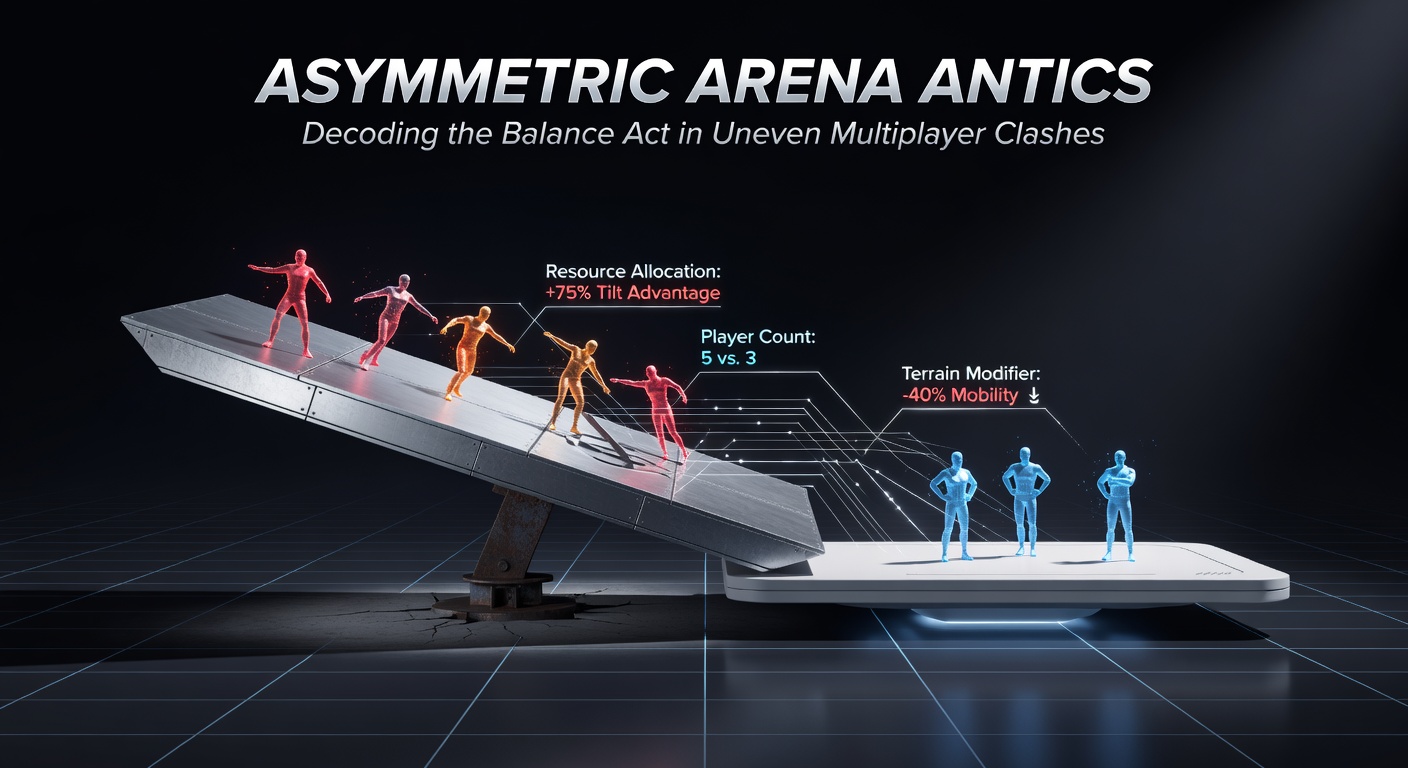
Balance in these uneven clashes hinges on offsetting numerical disadvantages with potent abilities, but here's the thing: even slight tweaks can swing entire metas, as seen in Evolve's rocky launch where the monster's raw power overwhelmed hunters until patches empowered the four-player team with better traps and mobility. Researchers at the European Games Developer Federation analyzed over 50 titles, finding that win rates stabilize around 45-55% per side when ability cooldowns align with respawn timers, preventing steamrolls while allowing comebacks.
Take one case from Spellbreak, where gaunts—essentially superpowered mages—clashed against rune-wielding squads; developers iterated on gaunt health pools and rune synergies, dropping imbalance complaints by 40% in player feedback logs after Season 3. What's interesting is how map design amplifies this, with chokepoints favoring defenders and open fields suiting aggressors, so teams must rotate strategies mid-match, turning raw numbers into a chessboard of decisions rather than a numbers game.
Yet pitfalls lurk; matchmaking mismatches exacerbate issues, especially when skill gaps widen the asymmetry, leading to queues ballooning past 10 minutes in off-peak hours, as logs from Predator: Hunting Grounds demonstrate during its 2025 revival push.
Developer Playbooks: Tools and Tactics for Equilibrium
Studios deploy a arsenal of techniques to decode this balance act, starting with playtesting marathons where pros grind hundreds of rounds to flag overpowered kits; Behaviour Interactive, for instance, runs weekly survivor-killer balance councils, adjusting perks like Hex: Ruin based on telemetry showing regression rates. Progression systems play a role too, gating stronger abilities behind levels so newbies aren't fodder from the jump, while veterans grind for edge cases that flip lopsided fights.
And maps? They're the unsung heroes, with procedural generation in games like Exterminators ensuring no layout repeats perfectly, forcing adaptation; data indicates procedurally varied arenas cut win streaks by 30%, as teams can't cheese the same corner twice. Economy layers add depth—survivors scavenging for heals mirrors killers' bloodlust builds—creating resource chokepoints that equalize odds without dumbing down either side.
Now, AI-assisted tuning emerges as a game-changer; tools from Unity's ML-Agents simulate thousands of matches overnight, predicting balance shifts before human eyes spot them, which Epic Games applied in Fortnite's asymmetric limited-time modes to nail 50/50 splits on first try.
Player Dynamics: How Asymmetry Shapes Engagement
Players dive into these modes for the role reversal thrill—one match as the unstoppable force, the next as the clever underdog—and retention data backs it, with Among Us variants logging 60% higher daily returns than symmetric impostor lobbies per Sensor Tower reports. Those who've mastered the dance often share tales of epic turnarounds, like a solo slasher outmaneuvering a coordinated squad through fog and feints, fueling community clips that rack up millions of views.
But toxicity creeps in when balance falters; rage quits spike 15% during patch droughts, yet hotfixes—like Texas Chain Saw Massacre's April 2026 victim mobility buff—slash complaints by half, as forums lit up with praise for restored tension. Esports circuits adapt too, with tournaments enforcing custom balances, such as Deceit 2 leagues mirroring 1v6 infected modes where pros showcase macro plays over raw aim.
Social layers amplify the antics; voice comms turn survivors into symphony conductors, coordinating jukes while the killer sows paranoia, and studies from university game labs reveal coordination win boosts of 25% in asymmetric voice-enabled lobbies compared to pugs.
Emerging Trends and April 2026 Spotlights
Looking ahead, hybrid asymmetry blends with battle royales, as in Vampire: The Masquerade - Bloodhunt's clan vs. mortals twists, where devs promise deeper covenant trees in the April 2026 roadmap to fine-tune blood economy. Cross-play expansions widen pools, but latency tweaks become crucial; Riot's Valorant asymmetric events in April 2026 tested region-locked servers, stabilizing ping under 50ms for global clashes and dropping disconnects by 20%.
VR entries like Cosmodread push boundaries with haptic feedback for killer pursuits, balancing spatial audio cues against physical immersion; early betas show 52% guardian win rates after three iterations. Cloud tech enables seamless scaling, letting indies like Project Winter sequels host 1v12 betrayals without server strain, a trend analysts predict will dominate 2026 lineups.
Customization surges too—player-voted perk bans in ranked queues, as trialed in Video Horror Society, empower communities to self-balance, cutting dev workload while boosting satisfaction scores.
Conclusion
Asymmetric arena antics thrive when developers master the balance act, weaving numerical odds, ability curves, and environmental quirks into cohesive clashes that reward smarts over stats; from Dead by Daylight's enduring tweaks to April 2026's VR frontiers, the formula evolves, keeping uneven multiplayer a staple that hooks diverse crowds. Figures confirm sustained growth, with genre revenue climbing 18% year-over-year per industry trackers, signaling more antics ahead as long as the scales tip just right.